



















7 Signs It's Time to Replace Your Luggage

Most travelers only think about when to buy new luggage after something has already gone wrong mid-trip, a wheel snaps off at baggage claim, or a zipper splits open at the gate. Knowing the warning signs ahead of time means you get to replace your bag on your own schedule, not the airport's. This matters because a failing suitcase isn't just inconvenient, a cracked shell or broken zipper can mean lost or damaged belongings, and most airlines and transit systems explicitly disclaim liability for items that fall out of already-damaged luggage. The clearest signals that it's the best time to replace your luggage include wobbly wheels, sticking zippers, a failing lock, unexplained extra weight, and torn interior fabric. Here are the seven signs to watch for, in the order they typically show up.
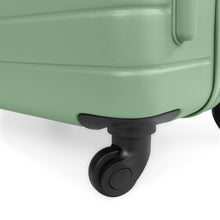
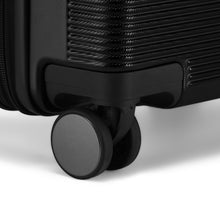
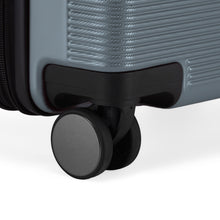
- Wobbly or squeaky wheels: Wheels are usually the first part of a suitcase to fail, since they take the most physical impact of any component. A wheel that grinds, sticks, or rolls unevenly is a sign the internal bearings or mounting hardware are wearing out.
- Sticking or breaking zippers: An occasional stuck zipper happens to every bag, but a pattern of sticking, skipping teeth, or needing two hands to close is different. This usually signals the zipper track itself is wearing down and getting close to full failure.
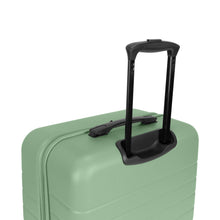
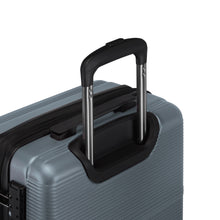
- Loose or broken handles: A telescopic handle should extend, lock, and retract smoothly every time. Once it wobbles at full extension or won't lock into place, it's likely to fail completely at the worst possible moment.
- A lock that no longer works: A functioning lock is one of the simplest ways to keep belongings secure during transit and hotel storage. Lock mechanisms are also usually harder and more expensive to repair than wheels or handles, which often makes replacement the more practical choice.
- The bag is heavier than it should be: Older luggage was often built with heavier frame and wheel materials than what's standard today. If a bag feels harder to lift than it used to, even empty, it may simply be built from outdated, heavier components.
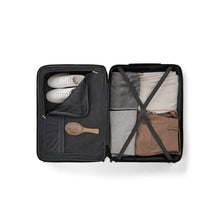
- Torn or worn interior fabric: A suitcase can look fine on the outside while failing at its actual job on the inside. Torn linings, ripped interior zippers, and drooping pockets mean it's no longer protecting your belongings the way it should.
- It no longer fits how you travel: Travel needs change, a single traveler's old carry-on may not work for family trips, longer stays, or a shift toward business travel. A bag doesn't have to be broken to be the wrong bag anymore.

1. The Wheels Are Wobbly or Squeaky
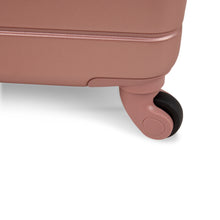
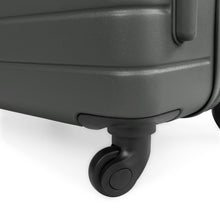
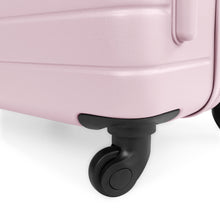
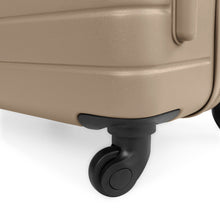
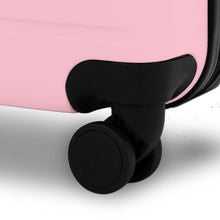
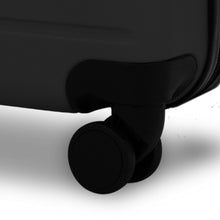
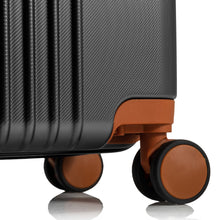
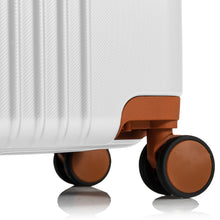
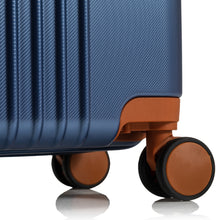
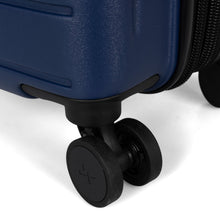
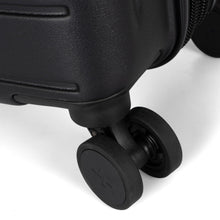
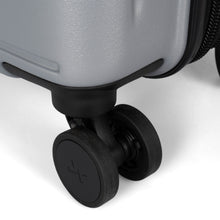
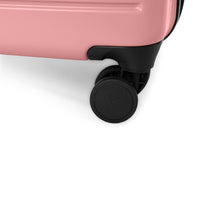
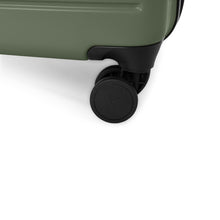
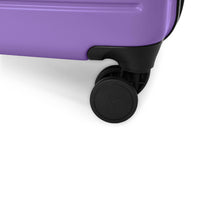
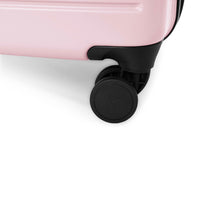
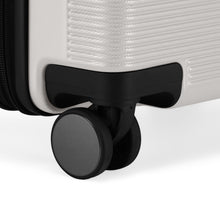
Wheels take more physical abuse than any other part of a suitcase, dragged across pavement, dropped from curbs, and spun through tight airport aisles thousands of times over a bag's lifespan. When a wheel starts grinding, squeaking, or rolling unevenly, the internal bearings or mounting hardware are typically already worn down.
A simple way to check: spin each wheel individually with your finger. It should rotate freely and silently for a couple of seconds. If a wheel stops almost immediately, feels gritty, or has visible play when you rock it side to side, that wheel is close to failing outright, and on most mass-market bags, wheels aren't user-replaceable.
2. Zippers Are Sticking or Breaking
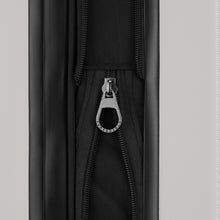
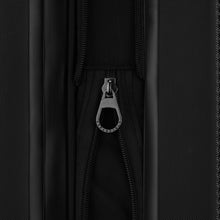
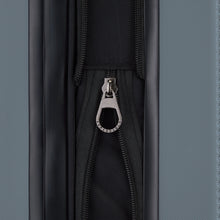
Every zipper gets stuck occasionally, but a repeating pattern is a different story. If a zipper regularly needs two hands to close, skips teeth as it moves, or feels like it's about to separate entirely, that's a sign of overall wear rather than a one-off snag.
This matters more than it might seem: a zipper that fails mid-trip means an exposed suitcase with no way to secure your belongings until you can find a repair or replacement. Once a zipper starts showing this pattern consistently, it's usually more practical to replace the bag than to keep pushing it through more trips.
3. The Handles Are Loose or Broken
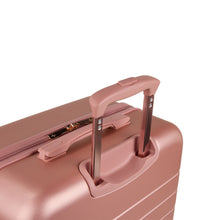
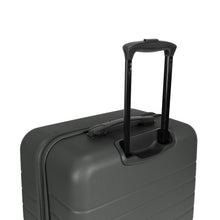
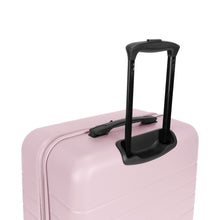
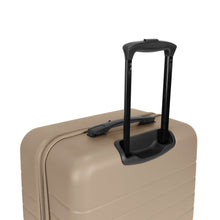
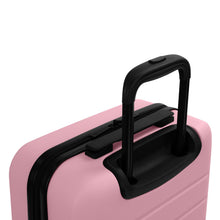
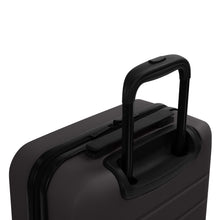
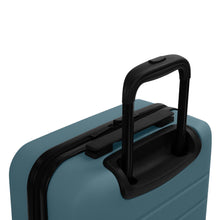
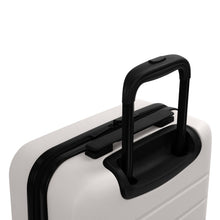
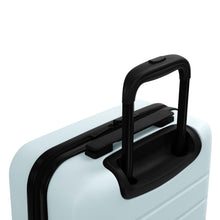
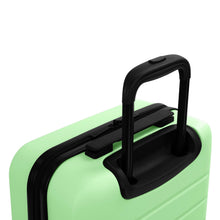
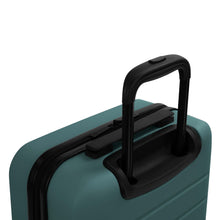
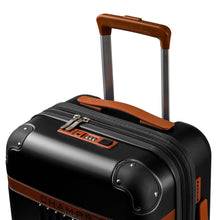
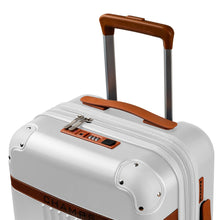
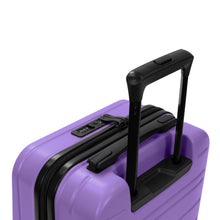
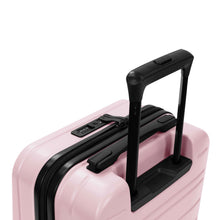
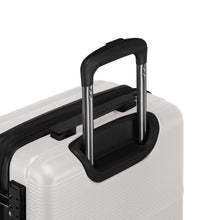
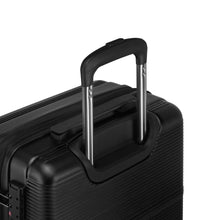
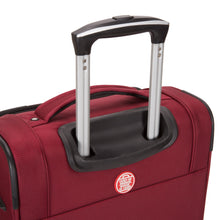
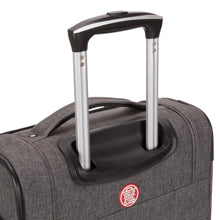
A telescopic handle should extend and retract in even stages, locking firmly at each height with no wobble. This is also the part of a suitcase that gets used the most, extended and retracted repeatedly on every single trip, so it's often one of the first components to show real wear. If the handle rattles at full extension, won't lock into place, or requires extra force to move, it's approaching the end of its functional life. A handle that gives way completely while you're moving through a terminal is one of the more disruptive ways a bag can fail mid-trip.
4. The Lock No Longer Works
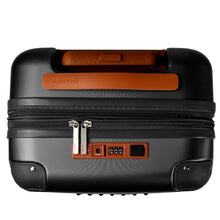
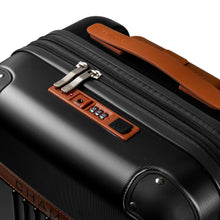
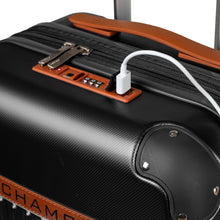
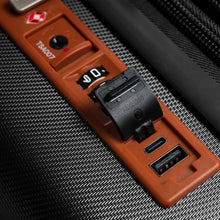
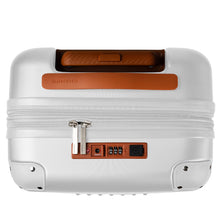
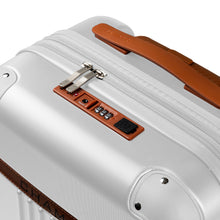
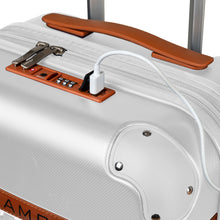
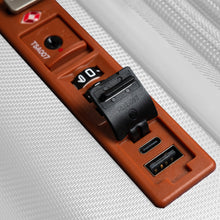
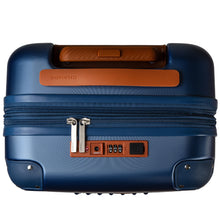
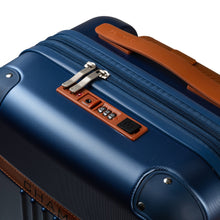
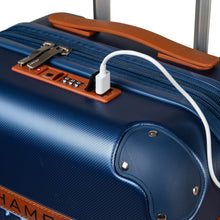
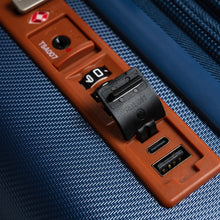
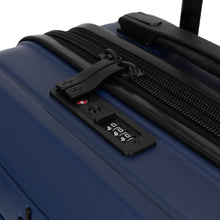
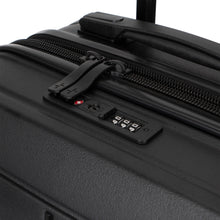
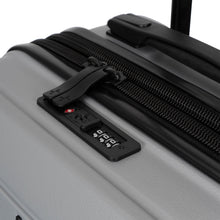
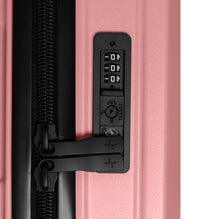
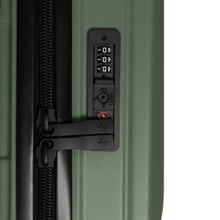
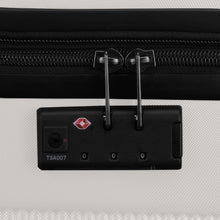
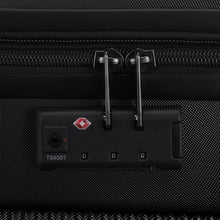
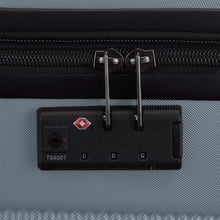
A working lock is a simple but meaningful way to keep belongings secure, especially during hotel storage or unattended layovers. When a built-in lock jams, won't hold a combination, or stops latching correctly, it stops doing its one job.
Lock mechanisms tend to be more comple, and more expensive, to repair than wheels or handles, which is often what tips the decision toward replacing the whole bag rather than fixing just the lock. If you're dealing with a lock that's stuck or unresponsive, it's worth checking the manufacturer's reset instructions before assuming it needs full replacement. Many combination locks can be reset by holding the reset button while re-entering a new code, though the exact steps vary by lock model.
5. The Luggage Is Heavier Than It Should Be
Older suitcases were frequently built with heavier frame materials, thicker plastic shells, and bulkier wheel housings than what's now standard. If a bag feels noticeably harder to lift than it used to, even empty, it may simply be a function of outdated construction rather than anything being wrong with it.
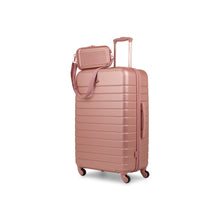
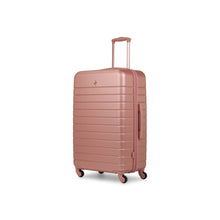
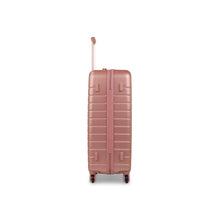
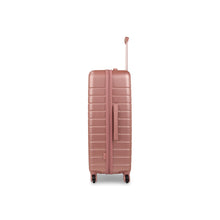
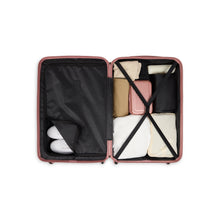
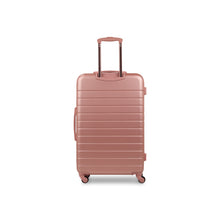
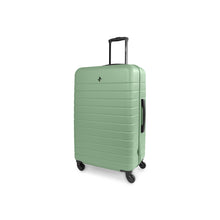
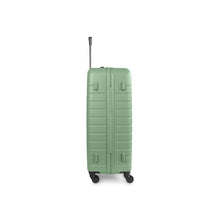
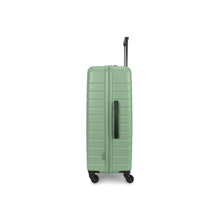
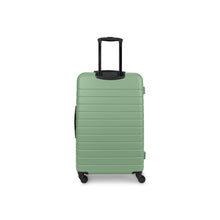
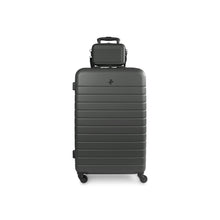
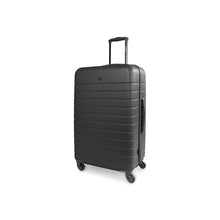
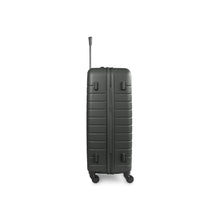
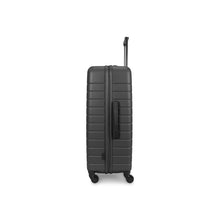
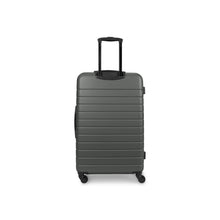
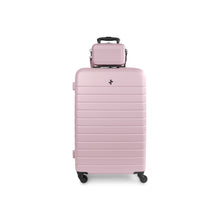
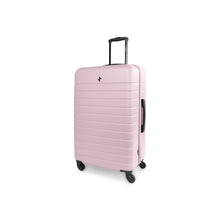
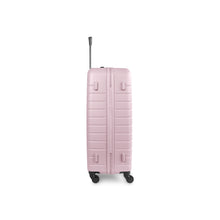
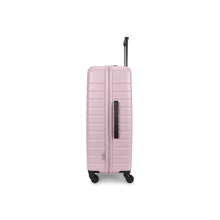
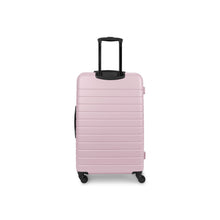
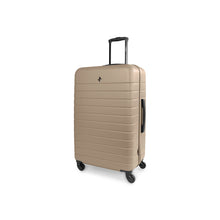
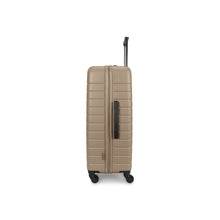
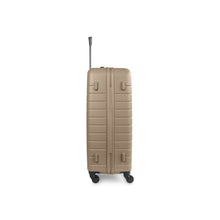
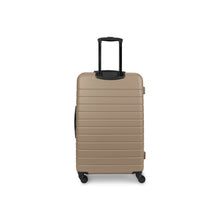
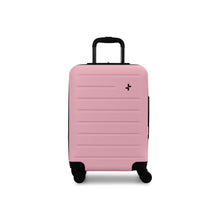
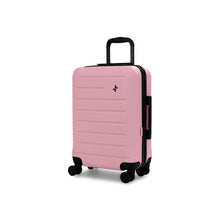
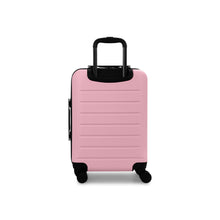
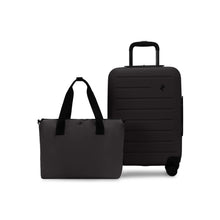
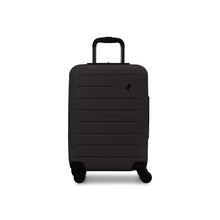
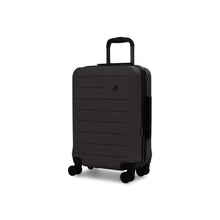
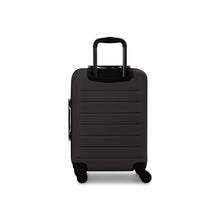
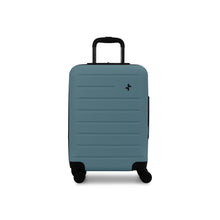
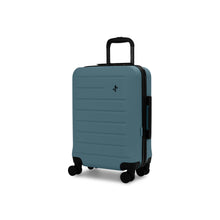
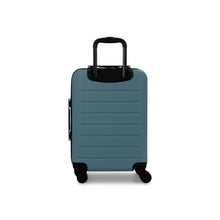
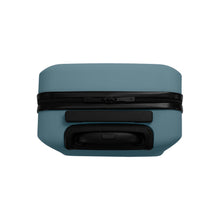
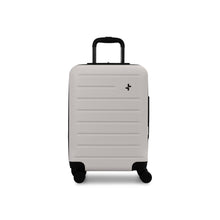
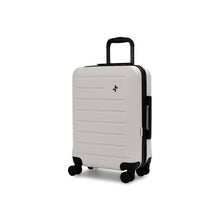
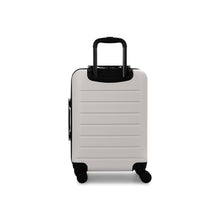
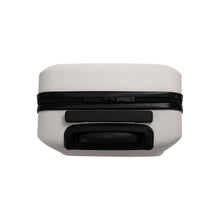
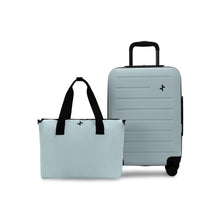
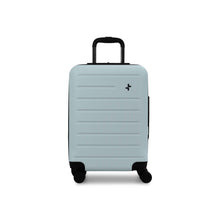
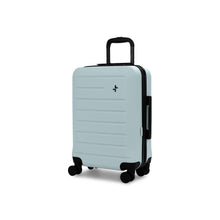
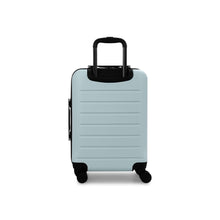
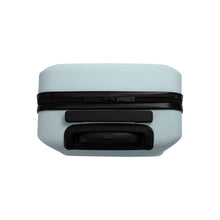
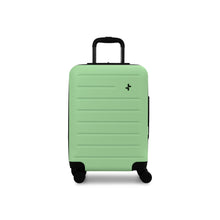
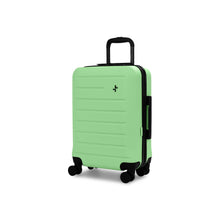
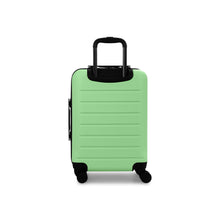
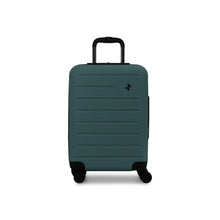
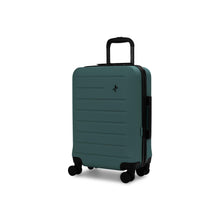
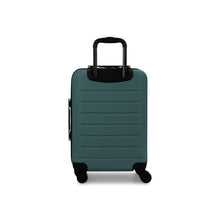
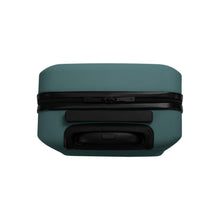
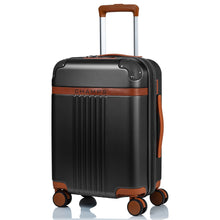
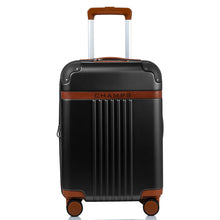
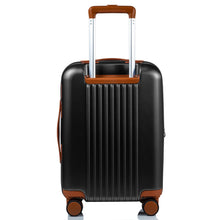
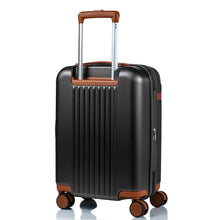
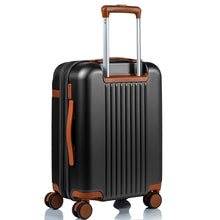
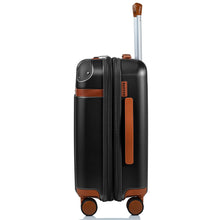
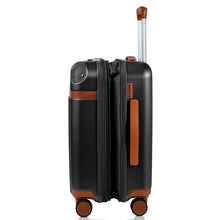
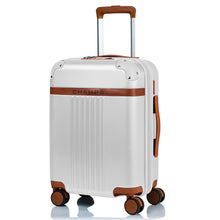
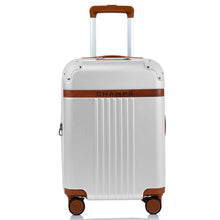
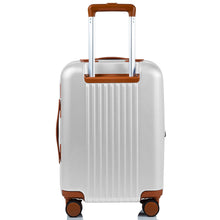
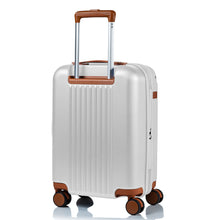
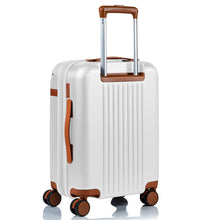
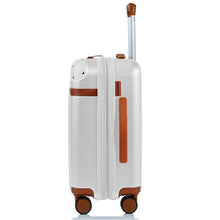
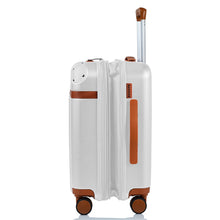
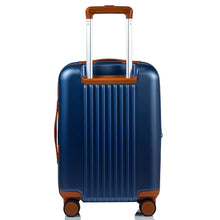
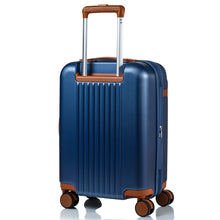
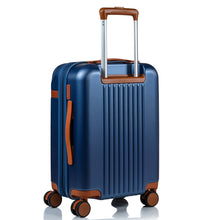
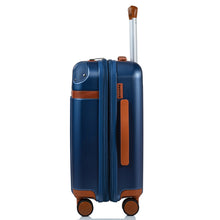
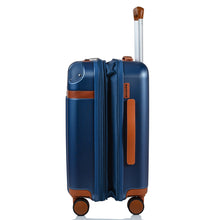
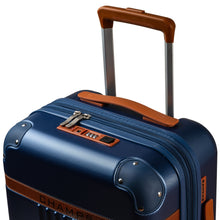
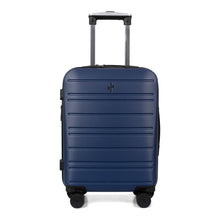
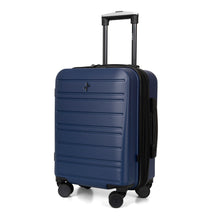
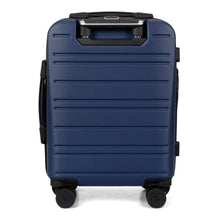
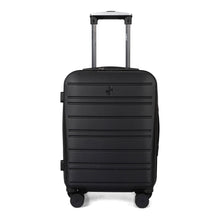
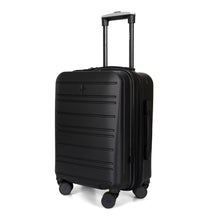
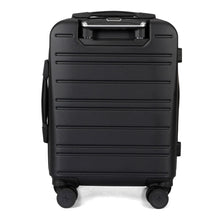
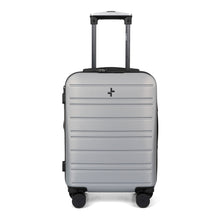
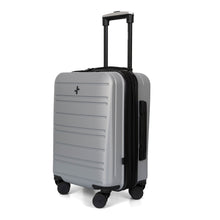
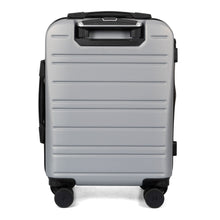
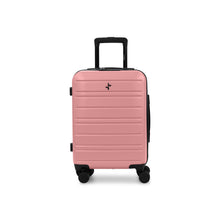
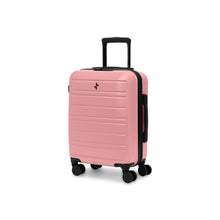
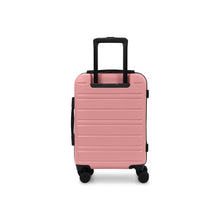
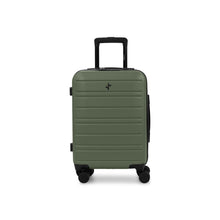
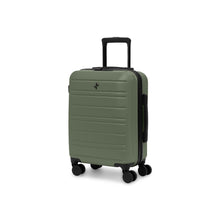
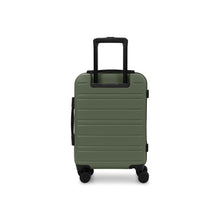
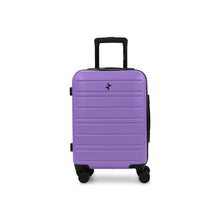
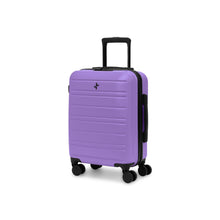
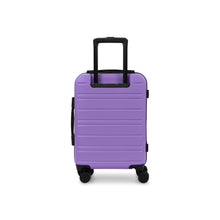
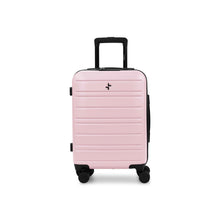
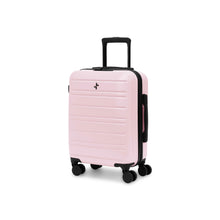
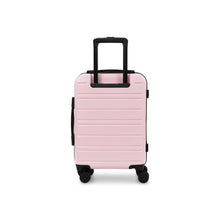
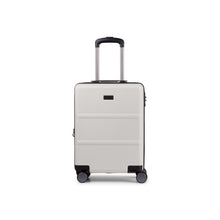
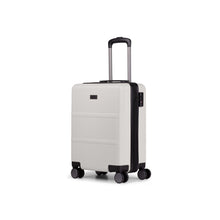
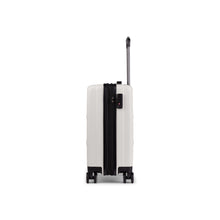
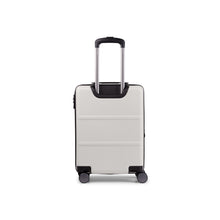
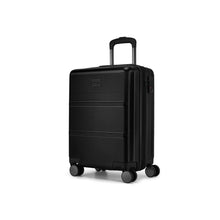
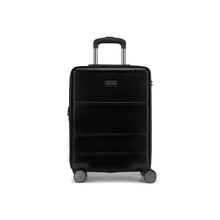
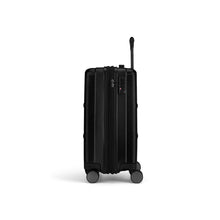
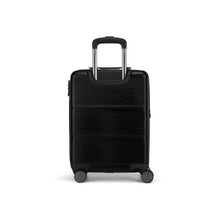
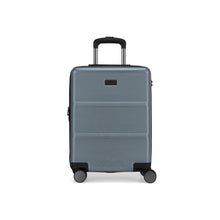
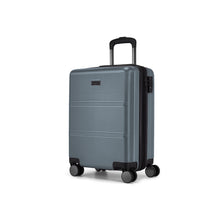
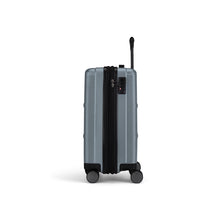
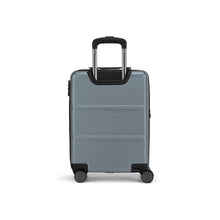
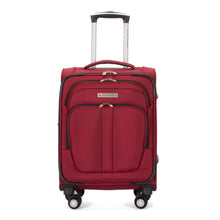
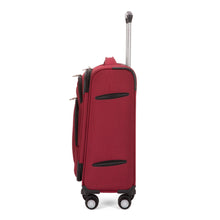
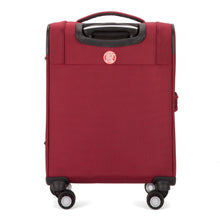
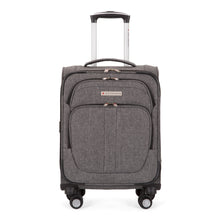
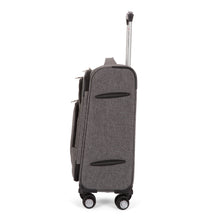
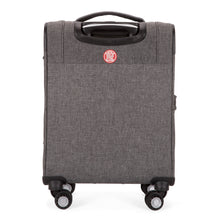
This is worth paying attention to specifically because of airline weight limits: a heavier empty bag leaves less of your total weight allowance available for actual belongings. Newer carry-ons like the Swiss Mobility SEA Carry-on illustrate the shift well, lightweight construction paired with an 8-wheel spinner system and a dual-position telescopic handle, all without the added bulk of older luggage designs typically carried.
6. The Fabric Is Torn or Worn Out
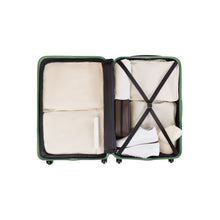
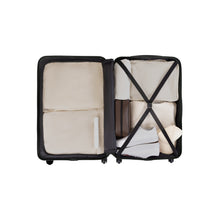
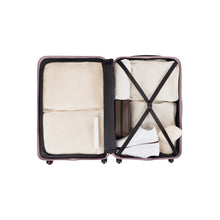
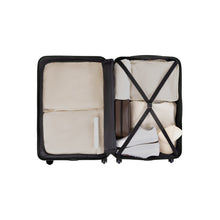
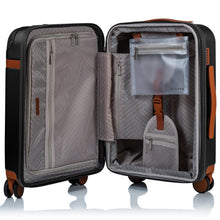
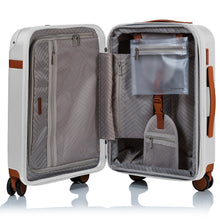
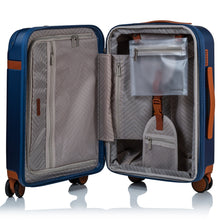
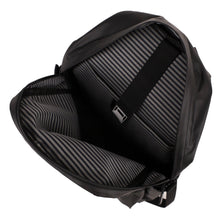
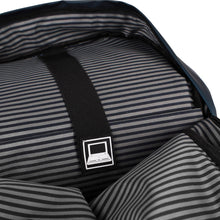
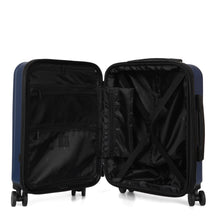
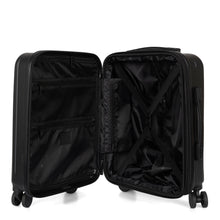
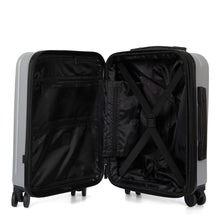
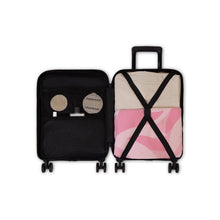
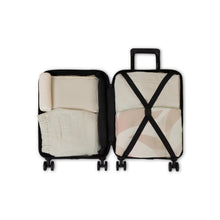
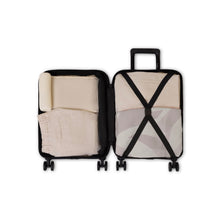
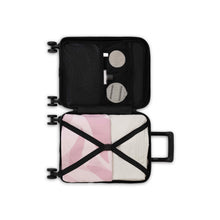
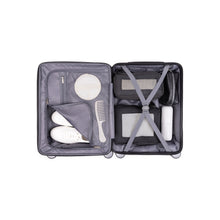
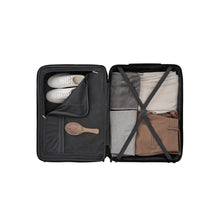
A suitcase can look perfectly fine from the outside while failing at its actual job on the inside. Torn linings, ripped interior zippers, and drooping or detached pockets all mean the bag is no longer protecting the belongings packed inside it, even if the exterior shell looks intact.
This kind of damage is easy to miss because it's not visible when the bag is closed. It's worth periodically checking the interior lining and pocket seams, especially on bags that get checked frequently, since checked luggage generally experiences rougher handling than carry-ons. If interior wear keeps recurring no matter what you buy, it may be worth rethinking the shell material entirely, Bentley's guide on hardside vs. softside luggage breaks down which construction actually holds up better for your specific travel style.
7. It No Longer Meets Your Needs
Sometimes a suitcase isn't broken at all, it's just no longer the right bag. Travel habits shift: a single traveler's compact carry-on may not work once trips involve a partner, kids, or longer stays, and someone who used to travel occasionally for leisure might now be flying weekly for work, where different priorities like professional appearance and organization take over. If that shift sounds familiar, it's worth a look at the best carry-on luggages for business travel.
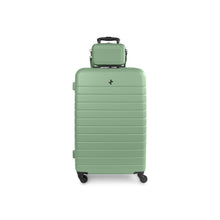
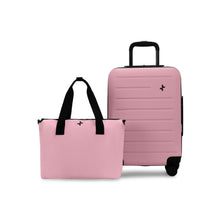
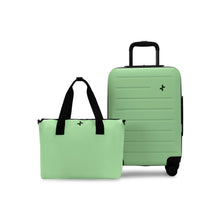
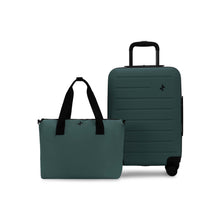
A family transitioning from one bag to multiple pieces is a common version of this, moving from a single carry-on to something like the Swiss Mobility SFO 3-Piece Set covers a wider range of trip lengths without needing to buy pieces one at a time.
When Is the Best Time to Replace Your Luggage?
The best time to replace your luggage is as soon as two or more of the signs above show up together, rather than waiting for a complete failure mid-trip. A single wobbly wheel might just need attention, but wobbly wheels combined with a sticking zipper or a shifting lock usually means the bag as a whole has reached the end of its reliable lifespan. If you're asking "do I need new luggage" or thinking "I need new luggage" but aren't sure, the test-drive method works well: pack the bag with a normal travel load and take it for a walk on uneven pavement, since problems with wheels, handles, and seams often only show up under real weight.
How Long Should Luggage Last?
There's no fixed number, since lifespan depends heavily on materials, frequency of use, and how roughly bags get handled in transit. A bag used a few times a year can last well over a decade, while a bag checked on weekly business trips may show serious wear within just a couple of years. How often you should replace luggage really comes down to tracking the specific signs above rather than counting years on a calendar.
How Much Should a Suitcase Cost?
Suitcase pricing varies widely by construction quality, not just brand. Budget carry-ons generally start under $100 and tend to use thinner shells and basic hardware, mid-range bags in the $150–$250 range typically add stronger wheel mounting and more durable zippers, and premium or aluminum-shell luggage can run well beyond that for maximum durability. The right amount to spend depends on how often you travel and how roughly your bags tend to get handled.
Do Airlines Replace Broken Luggage?
Airlines are generally required to compensate for luggage damaged during their handling, but the process usually requires reporting the damage immediately at the airport before leaving baggage claim, and coverage often excludes normal wear and tear or pre-existing damage. This is different from a bag simply reaching the end of its lifespan through years of your own travel, that kind of gradual wear isn't something an airline claim will cover.
What Can You Use Instead of a Suitcase?
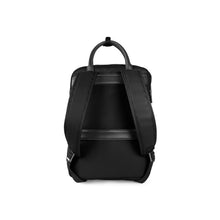
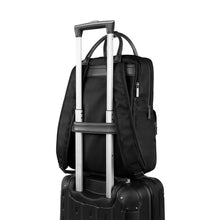
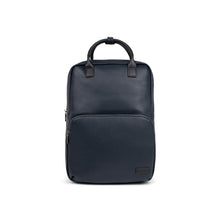
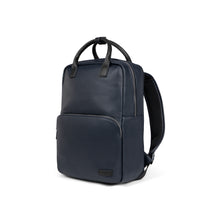
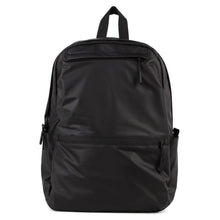
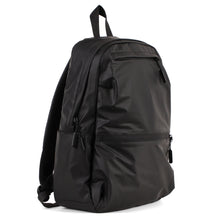
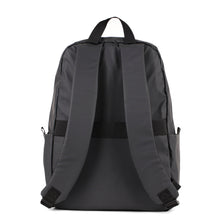
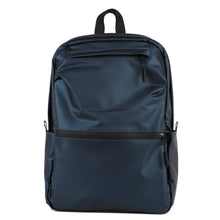
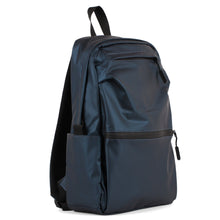
For some trips, a suitcase isn't actually the right tool. A structured backpack works well for short trips or destinations with a lot of walking, a duffel bag suits casual or weekend travel where structure matters less, and a garment-specific bag makes sense for business trips built around a single event. Bentley's guide to choosing between luggage and a travel bag walks through this decision in more detail if you're weighing a full switch rather than a like-for-like replacement.
Do You Have to Check Bags Twice on Connecting Flights?
This depends on the airline alliance and whether your itinerary is on a single ticket. Many connecting itineraries allow checked bags to be routed straight through to the final destination, but international connections, especially ones that involve a customs clearance point or a change of airline, sometimes require collecting and rechecking bags at the connection. It's worth confirming this directly with the airline before the trip, since it affects how much handling your luggage goes through. Once you've settled on what's replacing your old bag, Bentley's carry-on travel tips are a good next stop for getting the most out of it from the very first trip.


