












Aluminum vs. Polycarbonate Luggage: Which Should You Buy?

Picking a new suitcase usually comes down to one question travelers don't expect to spend this much time on: what's it actually made of? The material shapes how your bag handles baggage claim, how much of your airline weight allowance it eats up before you've packed a single sock, how secure it is on a layover, and how it looks after five years of real travel.
The short answer: aluminum luggage wins on structure, security, and long-term looks, while polycarbonate luggage wins on weight, flexibility, and price. Neither is objectively "better" - the right pick depends on how you travel. Here's the full breakdown, covering everything from the material science to what to actually check before you buy.
What Is Aluminum Luggage?
Aluminum luggage is built from sheets of aluminum or an aluminum alloy formed into a rigid shell, rather than molded plastic. That rigidity is the whole point, an aluminum case doesn't flex under pressure, which makes it the go-to choice for travelers who want maximum protection for cameras, electronics, or anything fragile packed inside.
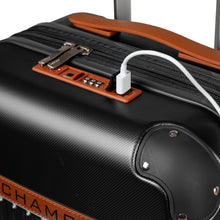
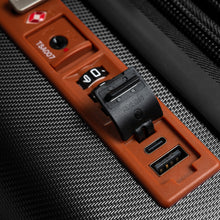
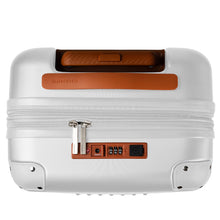
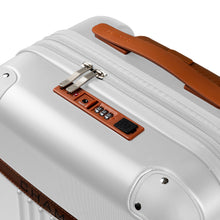
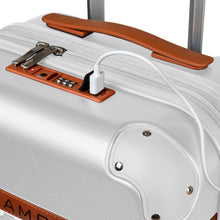
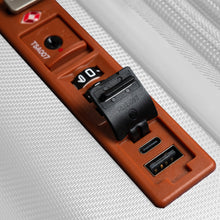
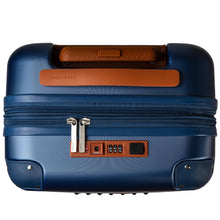
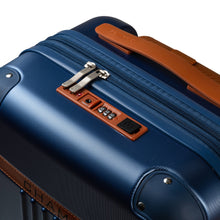
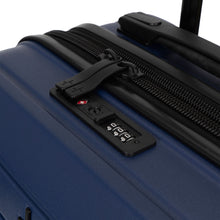
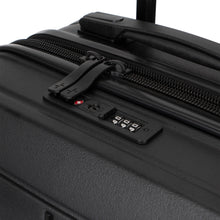
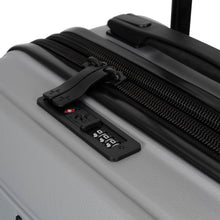
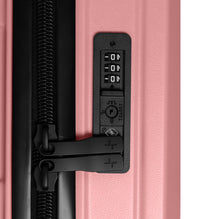
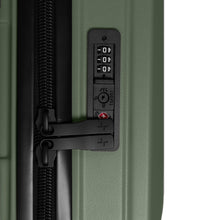
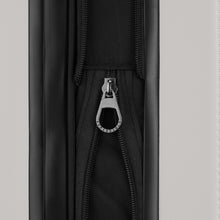
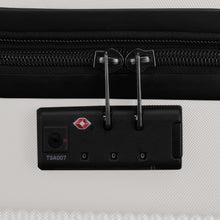
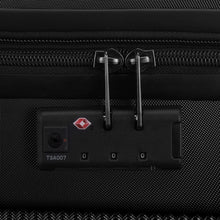
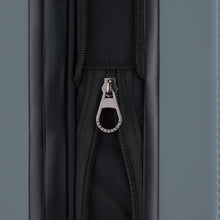
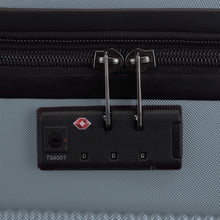
Because the shell is metal, aluminum suitcases typically skip zippers altogether in favor of latch-style, TSA-approved locking systems, a meaningful upgrade in security for international travel, where bags are more likely to be inspected or left unattended at a hotel or gate.
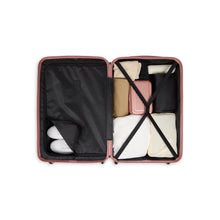
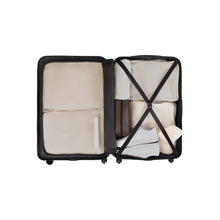
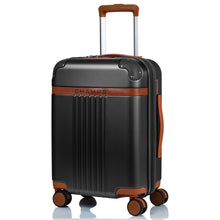
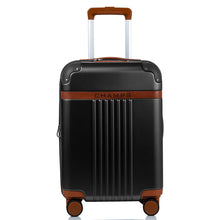
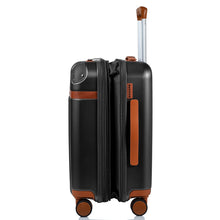
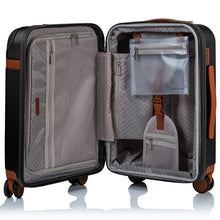
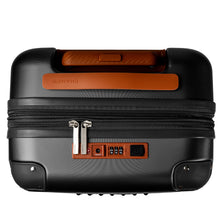
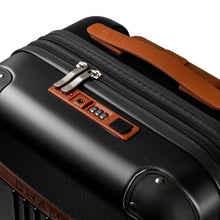
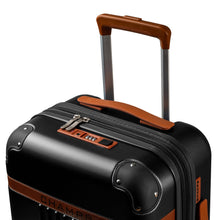
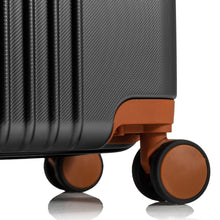
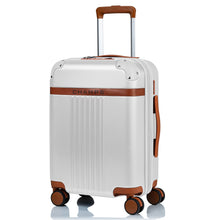
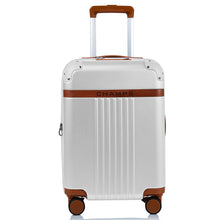
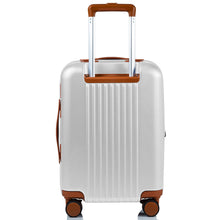
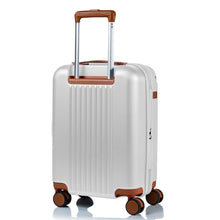
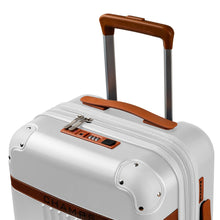
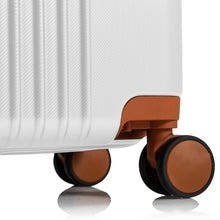
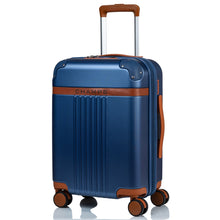
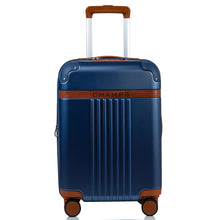
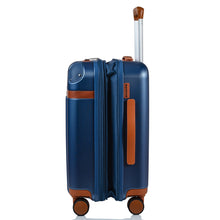
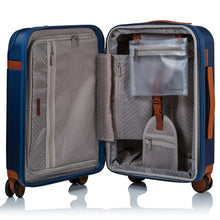
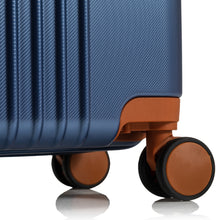
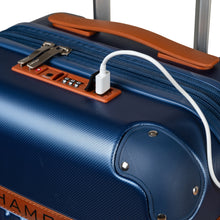
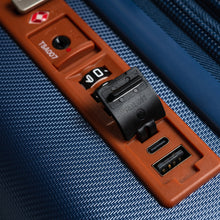
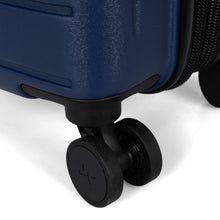
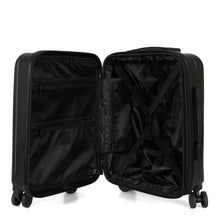
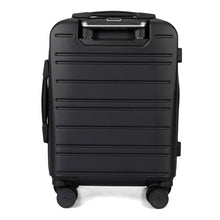
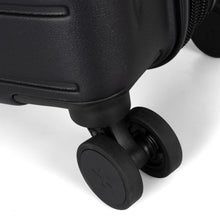
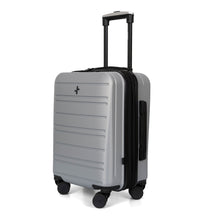
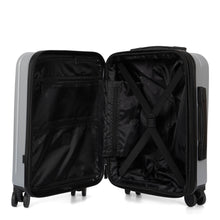
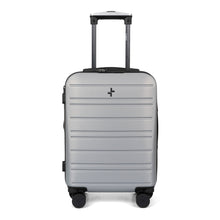
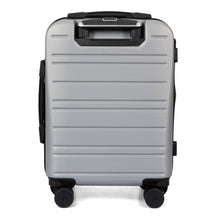
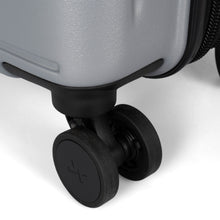
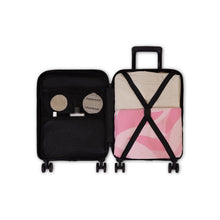
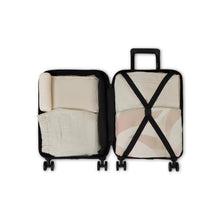
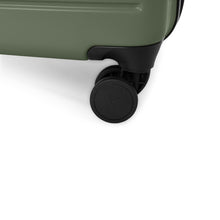
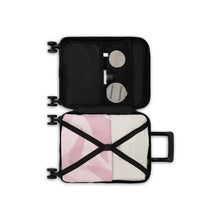
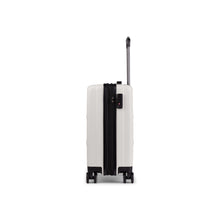
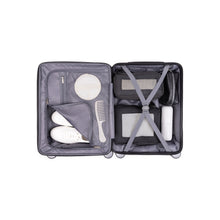
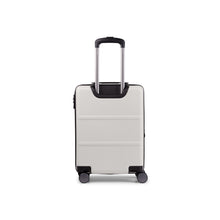
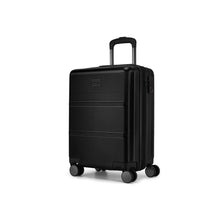
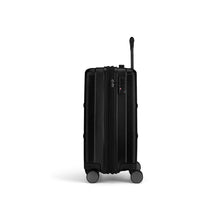
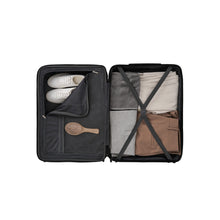
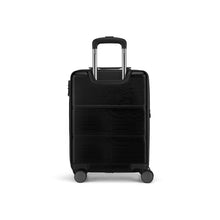
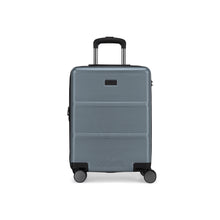
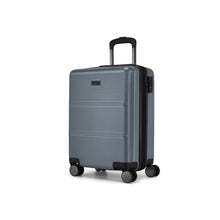
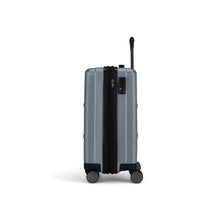
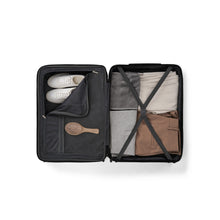
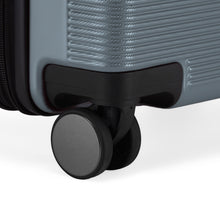
Bentley carries this in its Champs Elite Aluminum Carry-on, a genuine aluminum shell built with dual TSA-approved combination locks, 8 smooth 360° spinner wheels, quick-release top and side handles, a telescopic handle, an interior compression system, and a clip-in pocketed panel with zippered compartments for organization. It's a solid reference point for what a true metal-shell carry-on looks like: shop the Champs Elite Aluminum Carry-on.

What Is Polycarbonate Luggage?
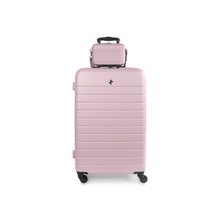
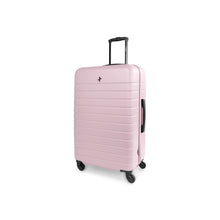
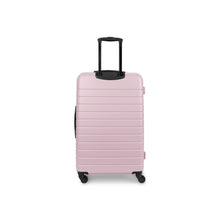
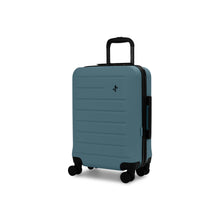
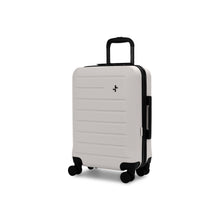
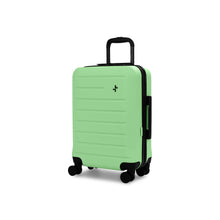
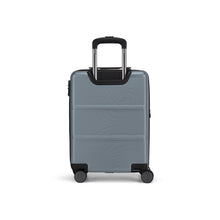
Polycarbonate luggage uses a thermoplastic shell engineered to flex under impact and pop back into shape, rather than holding a fixed form the way metal does. That flexibility is what makes polycarbonate suitcases the standard for most modern hardside luggage, they absorb rough handling from baggage carousels and overhead bins without cracking the way cheaper plastics like ABS often do.
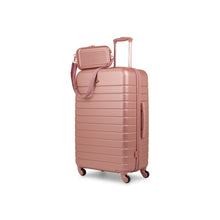
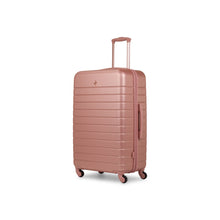
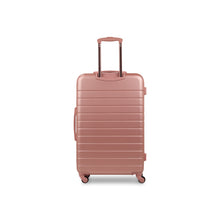
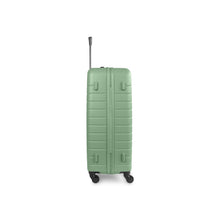
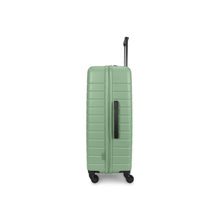
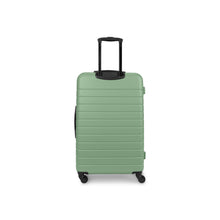
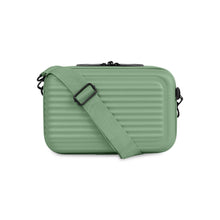
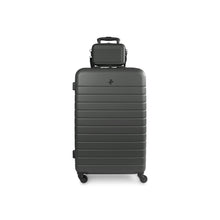
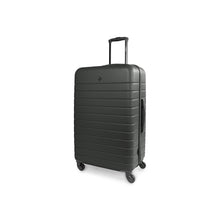
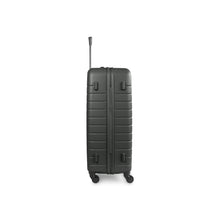
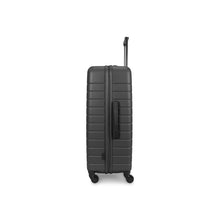
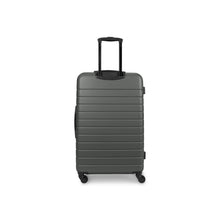
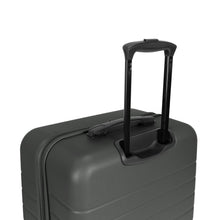
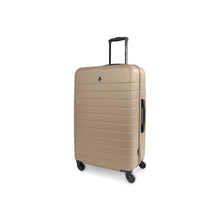
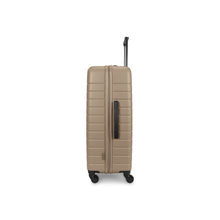
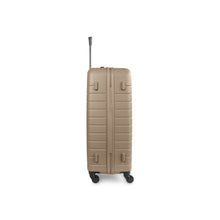
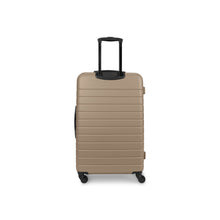
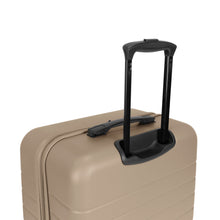
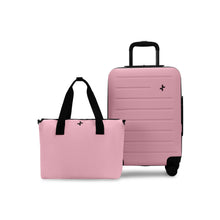
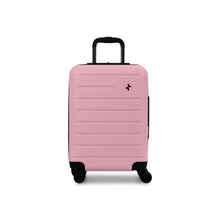
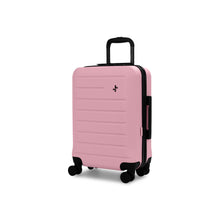
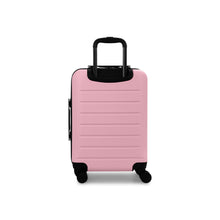
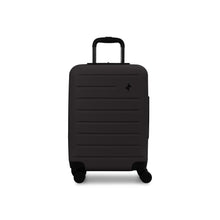
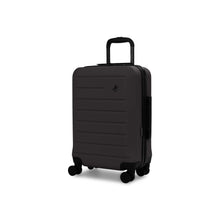
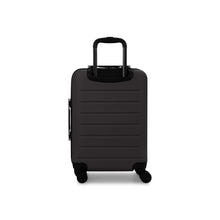
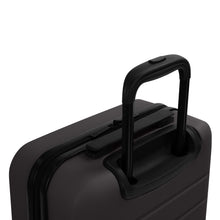
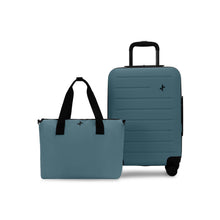
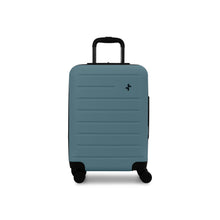
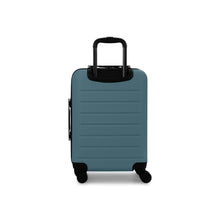
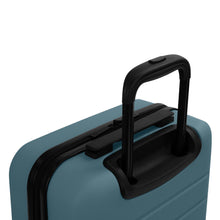
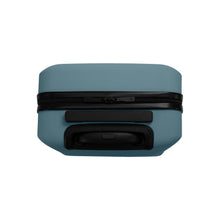
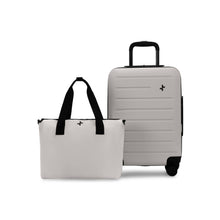
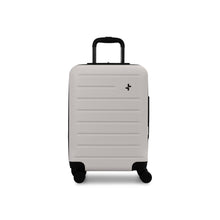
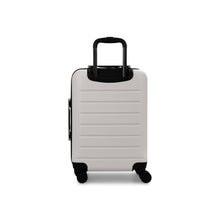
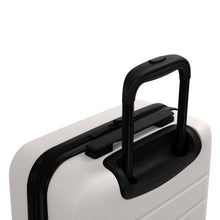
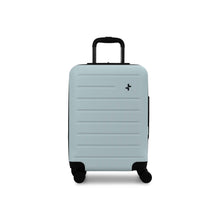
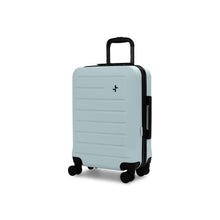
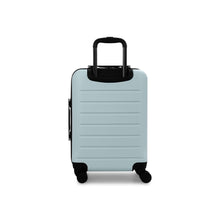
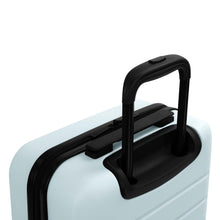
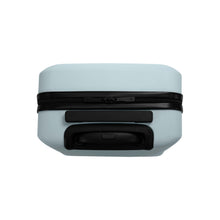
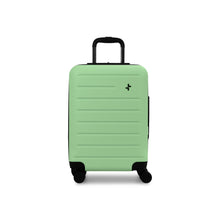
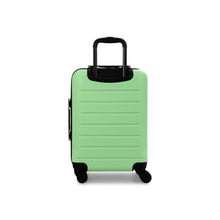
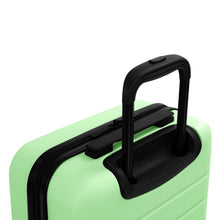
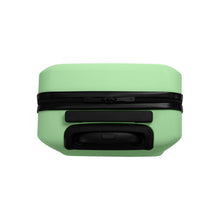
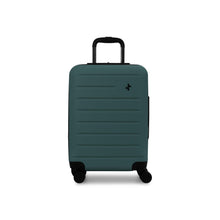
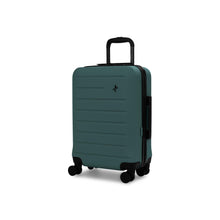
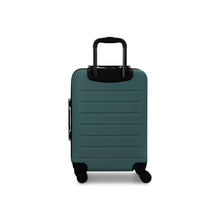
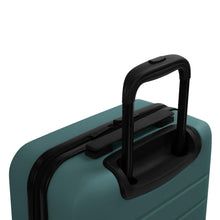
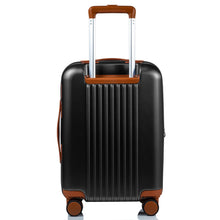
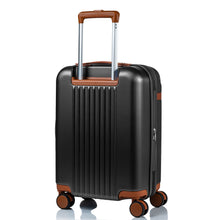
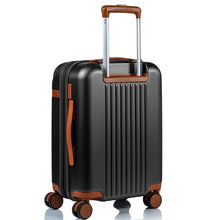
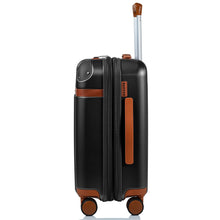
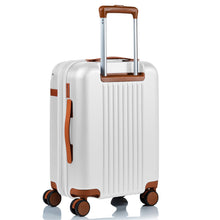
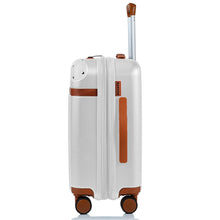
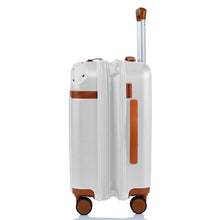
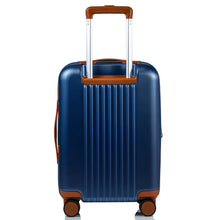
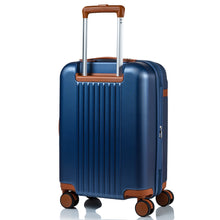
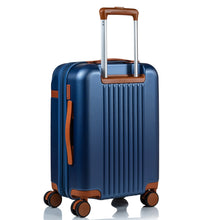
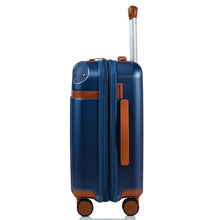
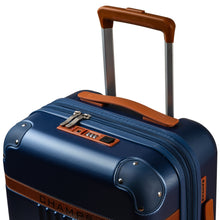
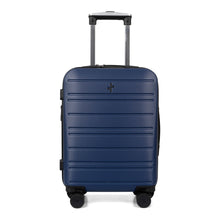
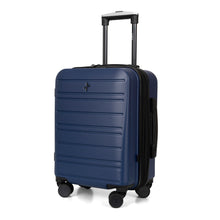
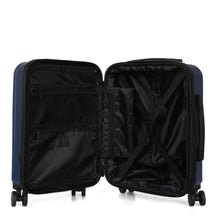
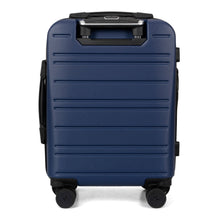
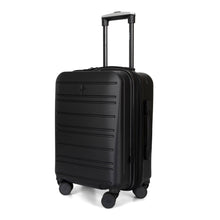
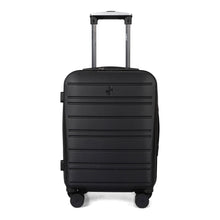
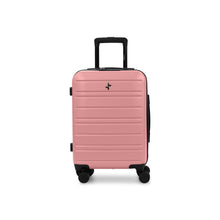
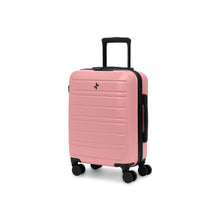
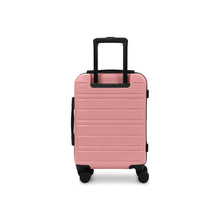
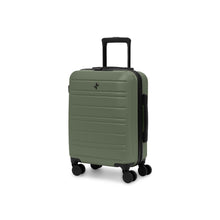
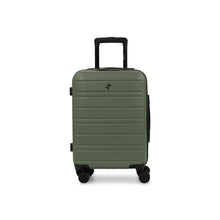
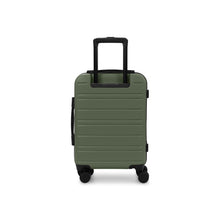
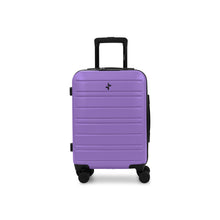
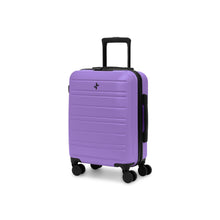
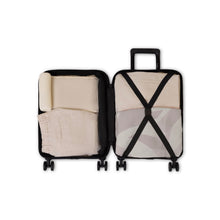
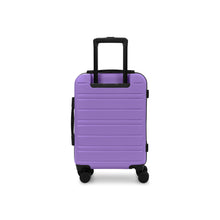
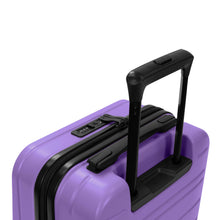
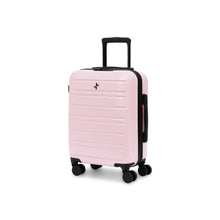
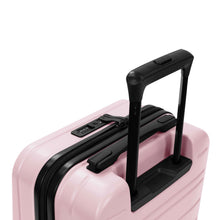
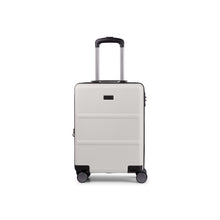
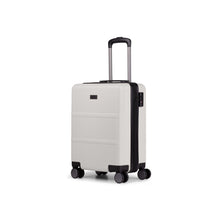
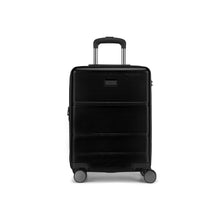
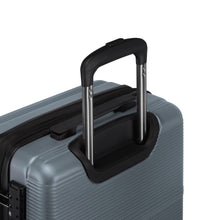
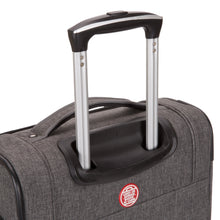
Bentley's Tracker Legend hardside line is a good example of polycarbonate-style hardside construction done well. The Legend line specifically pairs a durable hardside shell with an upgraded aluminum trolley handle system, giving you the flex-and-bounce protection of a polycarbonate-style shell with the added durability of a metal handle mechanism: shop the Tracker Legend Carry-on.
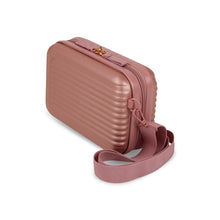
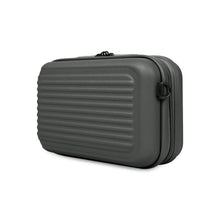
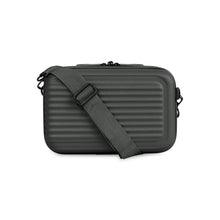
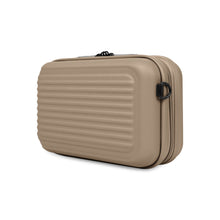
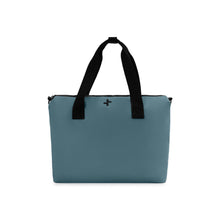
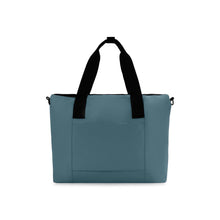
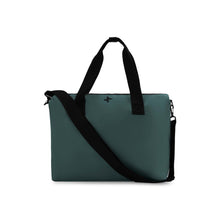
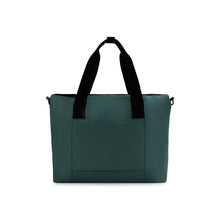
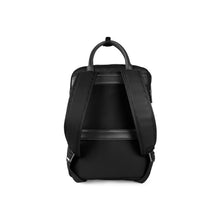
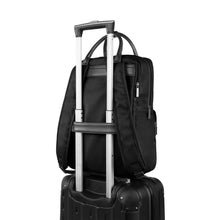
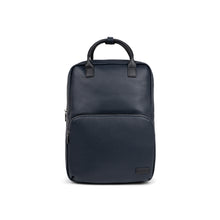
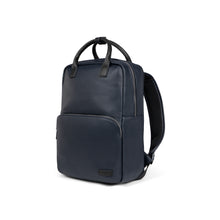
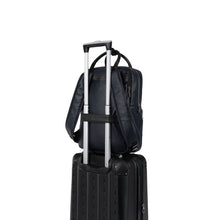
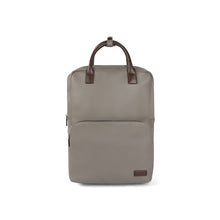
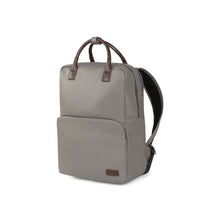
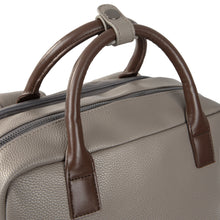
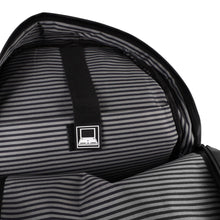
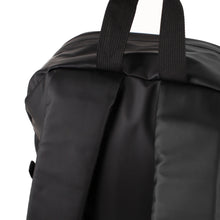
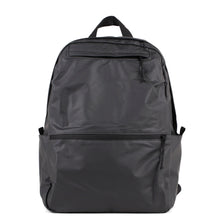
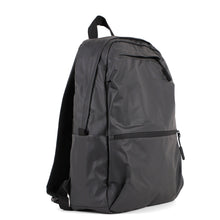
Beyond suitcases, the same category of material shows up across polycarbonate bags more broadly - hardside totes, structured backpacks, and travel cases that want shape retention without the weight penalty of metal.

Aluminum Luggage vs. Polycarbonate Luggage: The Real Differences
When it comes to aluminum luggage vs polycarbonate luggage, the comparison comes down to six things: weight, durability, security, climate resistance, maintenance, and price.

Weight
This is the difference travelers feel first. A polycarbonate carry-on typically weighs 6–8 lbs empty, while a comparable aluminum case runs 8–10 lbs, before you've packed anything. That 2–4 lb gap matters if you're already close to an airline's carry-on weight limit, or if you're lifting the bag into overhead bins on multiple connections in one day. Aluminum's added weight also has an upside: its lower center of gravity gives it more stability rolling over uneven ground, while polycarbonate's lighter build can feel less planted at high speed through a terminal.
Durability: Dents vs. Cracks
This is the trade-off that trips people up most. Polycarbonate flexes on impact, which makes it more forgiving during rough handling, but it has a breaking point, and once a polycarbonate shell cracks, it's a total failure with no real fix; the contents are exposed and the case is usually unusable for the rest of the trip. Aluminum, by contrast, dents rather than cracks. A dent looks rougher, but it rarely affects how the suitcase functions, and many aluminum dents can be professionally reshaped. If you're checking bags on every trip and want a case that ages with "character" rather than risk of sudden failure, aluminum has the edge.
Security
Aluminum's latch-and-lock hardware is generally considered harder to tamper with than a zipper closure, which is why frequent international travelers often lean aluminum for the added peace of mind. Look for dual TSA-approved combination locks specifically, a feature built into most true aluminum shells.
Climate and Temperature Resistance
Aluminum holds its structural properties across a wide temperature range, which matters if your bag ever sits in an unheated, unpressurized cargo hold. Polycarbonate can become slightly more brittle in extreme cold or soften marginally in extreme heat, rarely a problem in normal use, but worth knowing if you fly through very cold climates often.
Maintenance
Aluminum requires minimal upkeep, wipe it down, and minor dents or scuffs read as travel character rather than damage. Polycarbonate is also low-maintenance and easier to keep looking flawless since it doesn't dent, though scratches on a glossy polycarbonate finish can show more visibly than on a matte or brushed-metal aluminum surface. If you want a bag that hides wear well over years of use, a textured polycarbonate finish or a metallic aluminum finish both perform better than glossy plastic.
Price
Polycarbonate is almost always the more affordable option, both upfront and to replace. Aluminum costs more because of the material itself and the more specialized manufacturing a metal shell requires, but that cost buys a suitcase that, on average, lasts significantly longer under heavy use.
Choosing Carry On Aluminum Luggage
If you're specifically shopping for carry on aluminum luggage, prioritize four things:
- TSA-approved locks: A near-universal feature on true aluminum carry-ons, and non-negotiable for international travel.
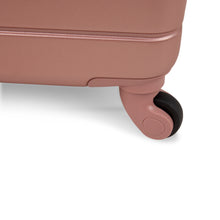
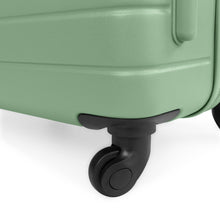
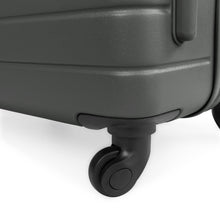
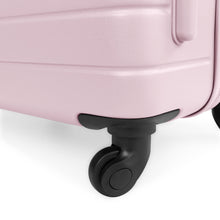
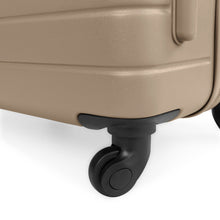
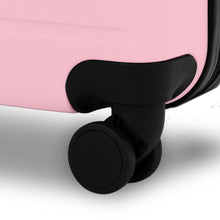
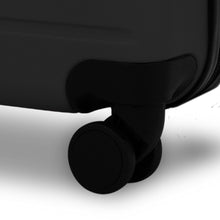
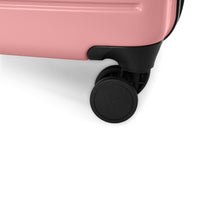
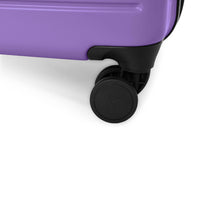
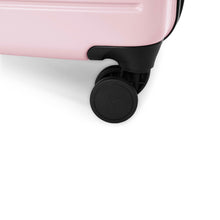
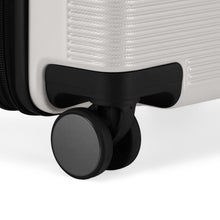
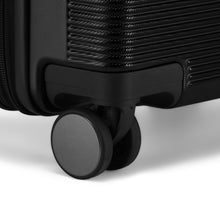
- Spinner wheel count: 8-wheel systems roll more smoothly and track straighter than 4-wheel setups, especially with a fully packed case.
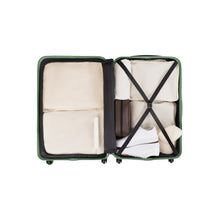
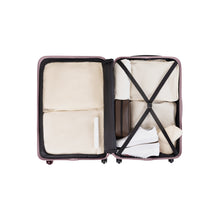
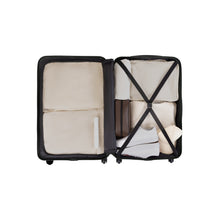
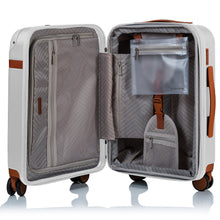
- Interior compression system: Aluminum shells don't flex to accommodate overpacking the way polycarbonate does, so a built-in compression strap or panel matters more here.
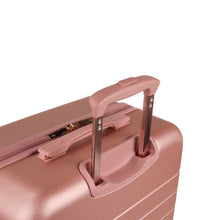
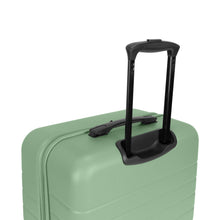
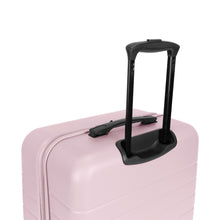
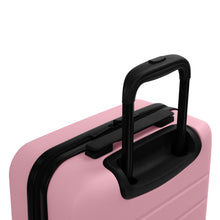
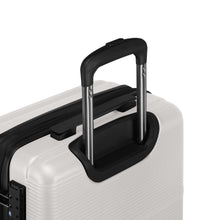
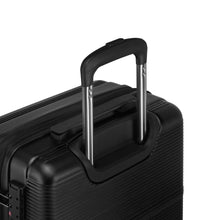
- Telescopic handle quality: Since the shell itself won't absorb any shock from a bad grip, a smooth, sturdy handle mechanism does more of the ergonomic work.
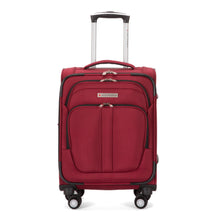
For travelers weighing aluminum carry on luggage against a hardside polycarbonate-style alternative at a similar price point, it's worth handling both in person before deciding, the weight difference often matters more once a bag is in your hand than it does on a spec sheet.
Metal Luggage: Is It Worth the Investment?
Metal luggage isn't just an aesthetic choice, it's a durability bet. If you're a frequent flyer who checks bags often, travels with fragile gear, or simply wants a suitcase that will still be functional a decade from now, the higher upfront cost of aluminum tends to pay for itself over time, since polycarbonate bags are more likely to need replacing every 5–10 years of heavy use. If you're not checking bags often, or you're outfitting a first-time traveler, that investment may not be necessary yet, which is where polycarbonate earns its reputation as the practical, budget-conscious default.
Buying Checklist: What to Check Before You Buy Either Material
Regardless of which material you land on, check these before purchasing:
- Locking mechanism: TSA-approved locks on both types, but confirm it's a combination lock (not a key you can lose)
- Wheel system: 8-wheel spinners over 4-wheel for maneuverability in tight terminals
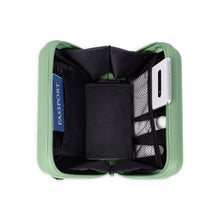
- Interior layout: Compression straps, a removable divider or laundry pocket, and a garment strap
- Handle mechanism: Telescopic handles should lock firmly at multiple heights, not just fully extended or retracted
- Warranty/exchange policy: Bentley's product pages note a 30-day exchange window from the purchase date; confirm return terms directly with the retailer before buying online, since online purchases typically can't be returned in-store
- Size vs. airline limits: Always double-check carry-on dimension limits for your specific airline before buying, since "carry-on size" varies by carrier

Common Myths About Aluminum and Polycarbonate Luggage
Aluminum luggage is indestructible.
Not quite, it dents, and while dents rarely affect function, aluminum isn't immune to damage. It just fails differently than polycarbonate.
Polycarbonate is cheap and low-quality.
Polycarbonate is a legitimate engineering material, not a downgrade from aluminum, it's simply optimized for flex and weight savings rather than rigidity.
Heavier luggage is always higher quality.
Weight comes from the shell material, not necessarily the build quality. A well-constructed polycarbonate case can outlast a poorly built aluminum one if the wheels, zippers, and handle hardware are lower quality.
So, What's the Best Luggage Material for You?
There's no single best luggage material, only the best material for how you actually travel:
- Choose aluminum if: you check bags on international trips, carry fragile or valuable items, want maximum security, travel through extreme climates, or want a suitcase built to last decades rather than years.
- Choose polycarbonate if: you fly often and need to save every pound of your weight allowance, want a lower price point, or prefer a wider range of colors and finishes.
Whichever direction you lean, browse Bentley's Carry-on collection or the full luggage collection to compare aluminum and polycarbonate options side by side, including current pricing on carry-on, check-in, and luggage set sizes.
Frequently Asked Questions
Is aluminum luggage heavier than polycarbonate?
Yes. Aluminum carry-ons typically weigh 2–4 lbs more than comparable polycarbonate cases, which can matter if you're close to an airline's weight limit.
Does aluminum luggage dent easily?
It can dent under sharp impact, but dents rarely affect structural integrity, and the suitcase generally stays fully functional. Many dents can also be professionally reshaped.
Can polycarbonate luggage crack?
Yes, it's the main risk with polycarbonate. The material flexes to absorb most impacts, but a hard enough hit can crack the shell, and cracks generally can't be repaired.
Which is better for international travel, aluminum or polycarbonate?
Aluminum's latch-style TSA locks are generally considered more secure, making it a popular choice for frequent international travelers, though polycarbonate remains a reliable and lighter alternative.
Is aluminum luggage worth the extra cost?
If you check bags frequently, carry fragile items, or want a suitcase that lasts a decade or more, yes, the higher upfront cost tends to offset the more frequent replacement cycle of budget polycarbonate luggage.
What's the difference between polycarbonate and ABS plastic luggage?
Polycarbonate flexes and resists cracking, while ABS is a cheaper, more rigid plastic that's more prone to cracking under the same impact, polycarbonate is generally the better-performing plastic of the two.


