




How to Pack a Carry-On Bag for a Week (Canada Travel Edition)

Packing a full week into a single carry-on feels impossible until you have a system, and Canada makes the challenge harder than most destinations. A trip that starts in a sunny Toronto afternoon can end in a Banff snow flurry, and the weather can shift entirely within the same week depending on the region and season. Add in Canada-specific rules like eTA requirements and CATSA liquid limits, and it becomes easy to either overpack out of anxiety or forget something essential at the checkpoint. The good news is that a 20-22 inch carry-on genuinely holds seven days of clothing if it is built around a repeatable wardrobe system, a proper layering strategy, and the right accessories, rather than an attempt to pack for every possible scenario. The following seven tips cover exactly how to size the bag correctly, build the wardrobe, pack it efficiently, and stay compliant with Canada's entry and security rules.
- Pick the right carry-on size: A 20-22 inch cabin bag holds a full week if the wardrobe and layering system are built correctly around it.
- Use the 3-5-7 wardrobe rule: Three bottoms, five tops, and seven layering pieces cover a week of mixed Canadian weather without overpacking.
- Layer instead of one heavy coat: A base, mid, and outer layer system adapts to shifting temperatures better than a single bulky jacket.
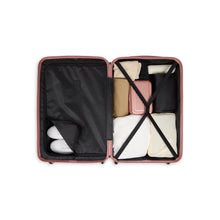
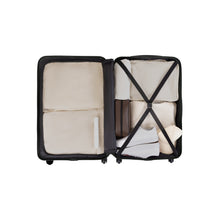
- Roll, cube, and wear your bulkiest items: Rolling, category-based packing cubes, and wearing the heaviest piece on the plane maximize limited space.
- Follow CATSA's liquid rules: Containers of 100 ml or less, fitted into a single 1-litre resealable bag, are required to clear Canadian airport security.
- Keep your eTA and documents accessible: An Electronic Travel Authorization and passport should stay in an easily reachable pocket, not buried in the bag.
- Round it out with the right accessories: A toiletry bag, RFID wallet, backpack, and a few comfort items complete a carry-on system built for Canada.
Pack the Right Bag Before You Pack a Single Item
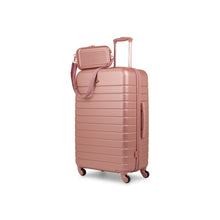
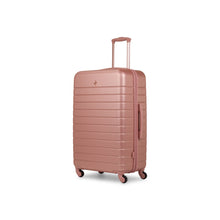
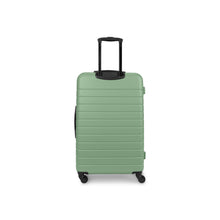
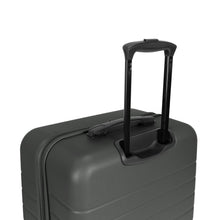
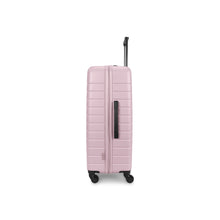
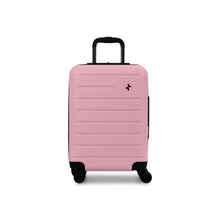
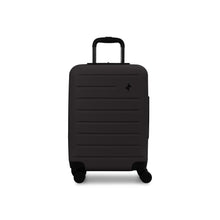
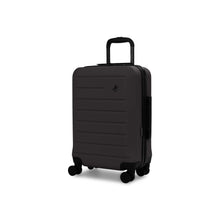
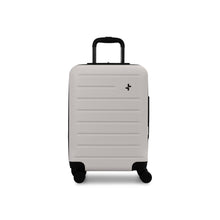
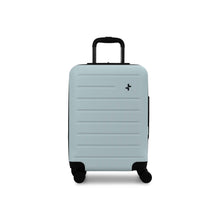
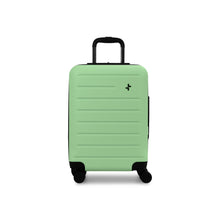
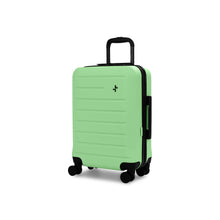
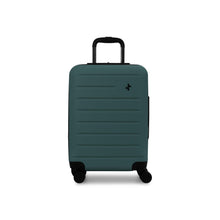
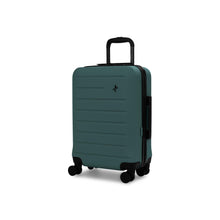
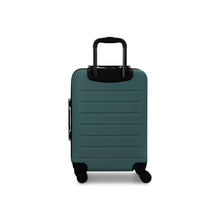
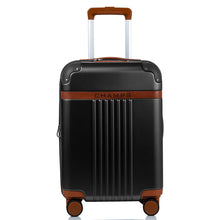
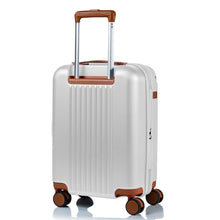
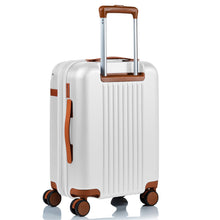
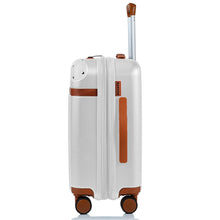
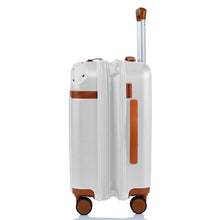
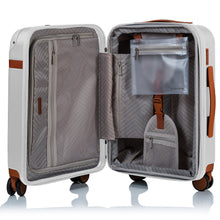
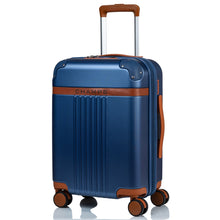
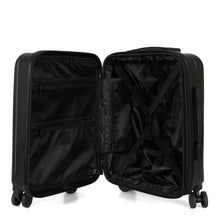
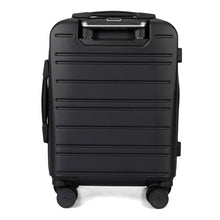
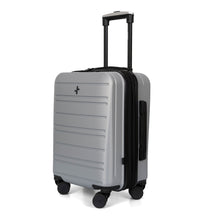
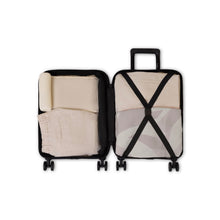
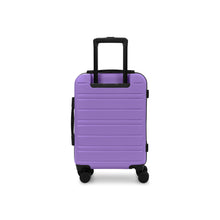
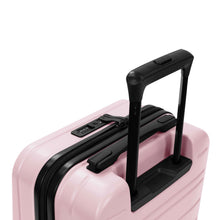
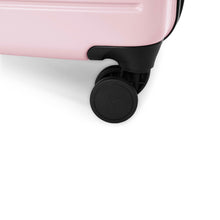
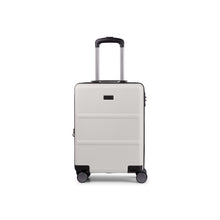
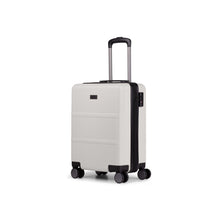
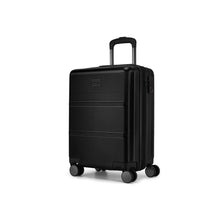
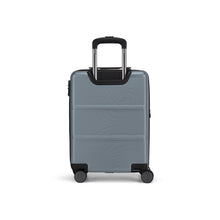
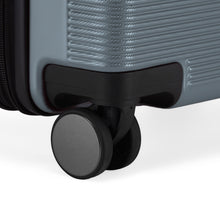
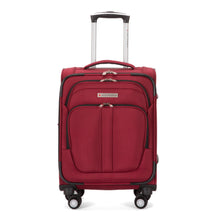
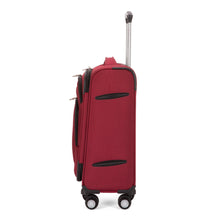
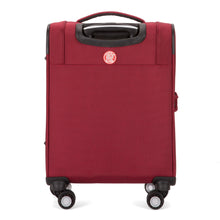
Choosing carry-on luggage built to standard cabin dimensions is the first decision that determines whether the rest of this system works.
1. Pick the right carry-on size for a week in Canada
Most airlines cap cabin bags at around 22 x 14 x 9 inches (56 x 36 x 23 cm), with weight limits typically between 7 and 10 kg, though this varies enough between carriers that it is worth double-checking before packing to capacity.
Who this works for: Travelers doing a single-city or short regional Canadian trip, anyone with laundry access partway through the week, and anyone who wants to skip checked baggage entirely and move faster through Canadian airports.
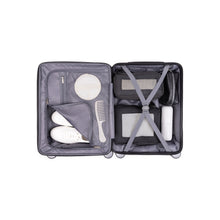
What you can realistically fit: A 3-5-7 wardrobe, one pair of shoes worn on travel day, one packed pair, a toiletry kit within CATSA's limits, and small electronics.
What you sacrifice: Bulky winter boots, a second heavy coat, and full-size toiletries. If the trip covers genuinely cold weather, such as a winter week in Quebec City or the Rockies, a carry-on still works, but only if the bulkiest item, the coat, comes along as a worn layer rather than a packed one.
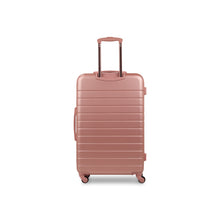
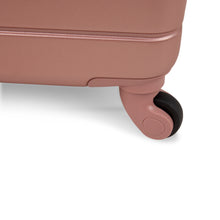
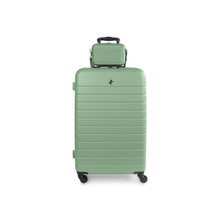
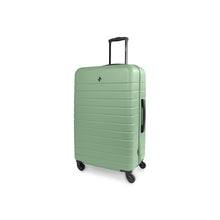
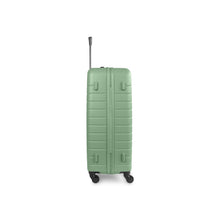
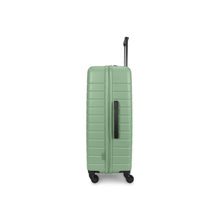
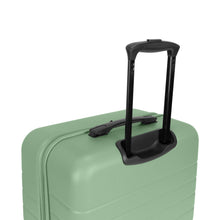
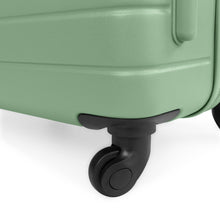
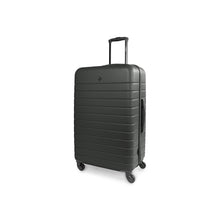
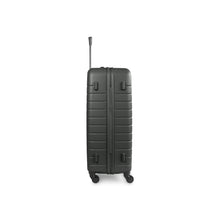
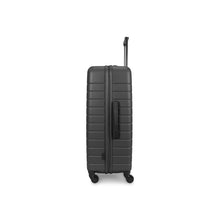
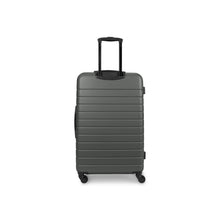
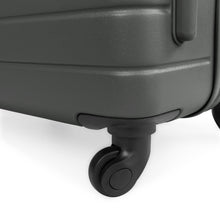
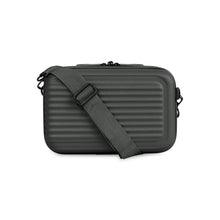
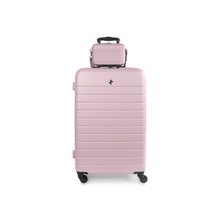
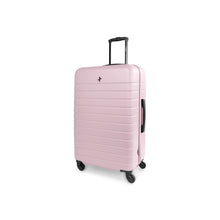
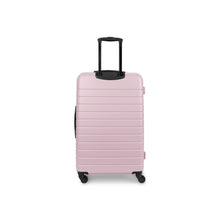
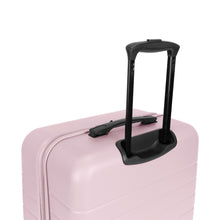
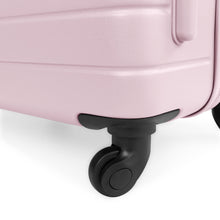
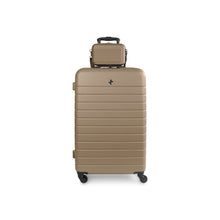
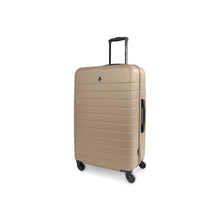
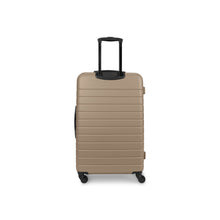
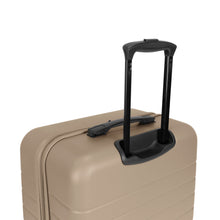
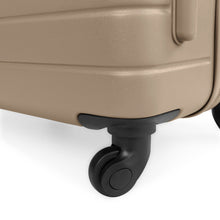
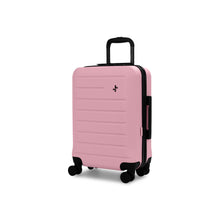
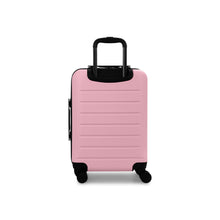
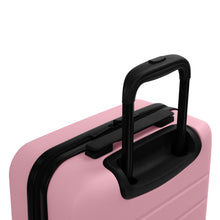
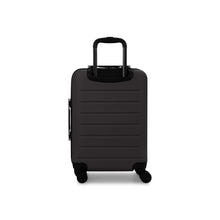
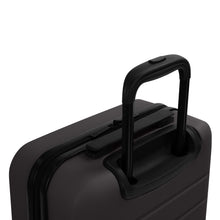
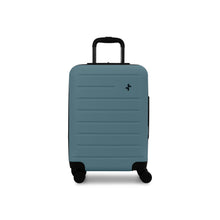
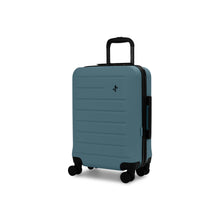
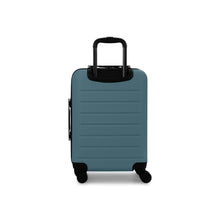
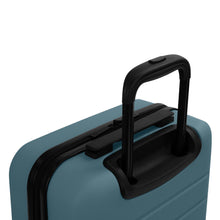
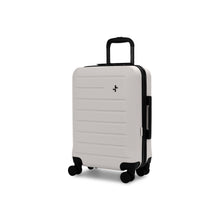
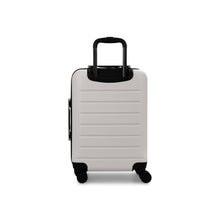
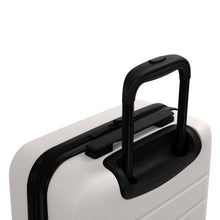
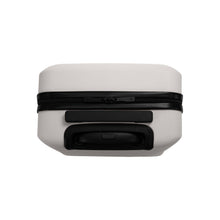
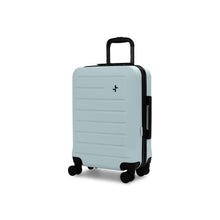
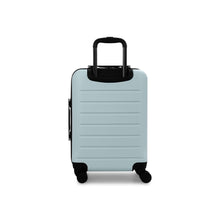
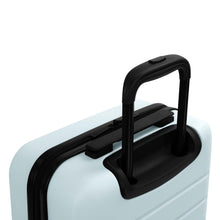
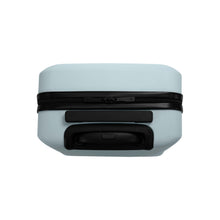
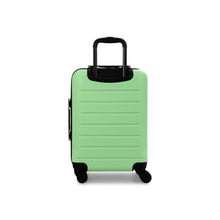
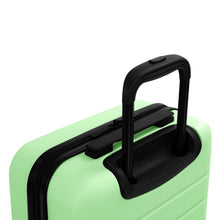
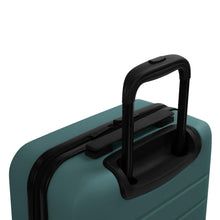
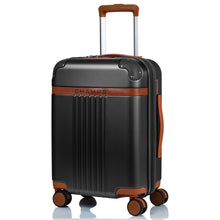
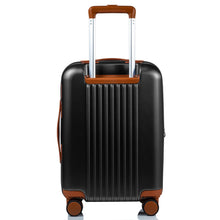
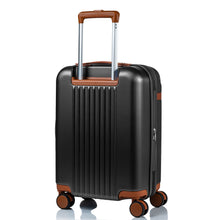
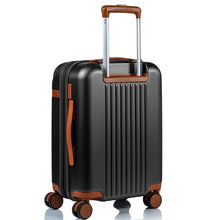
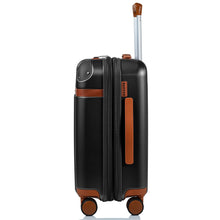
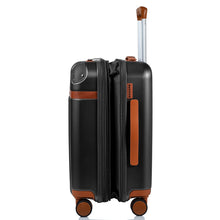
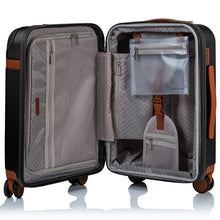
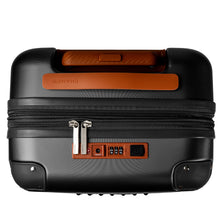
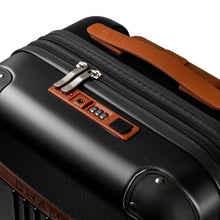
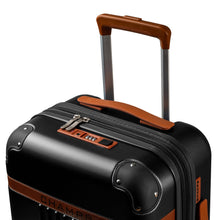
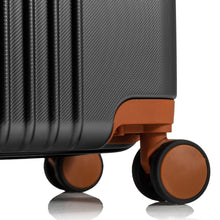
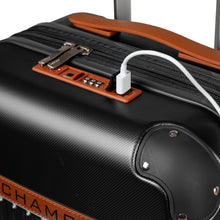
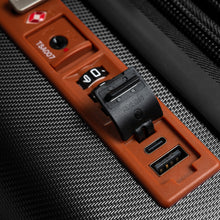
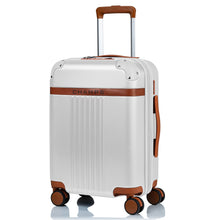
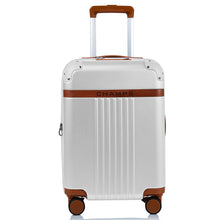
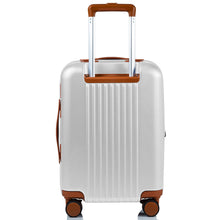
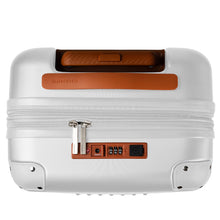
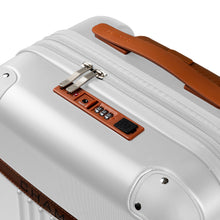
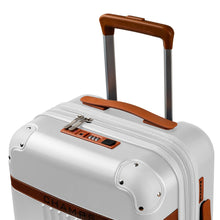
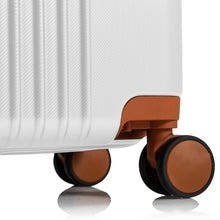
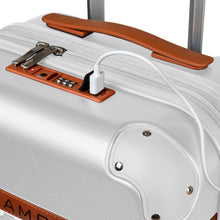
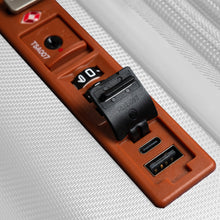
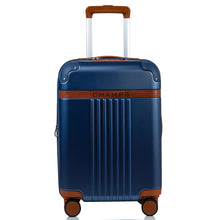
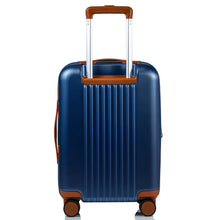
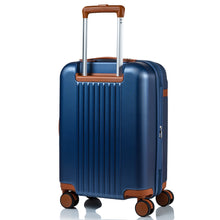
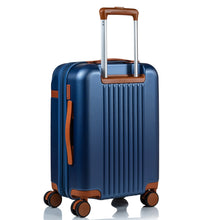
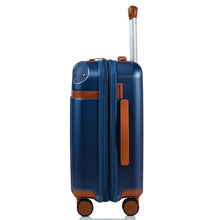
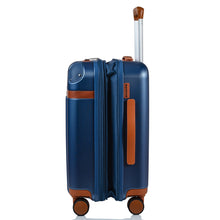
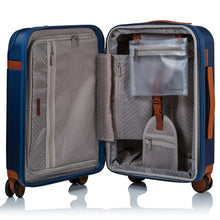
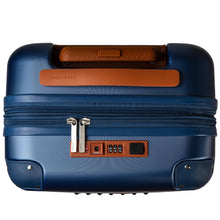
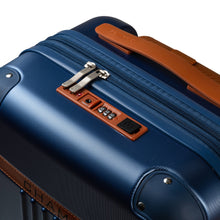
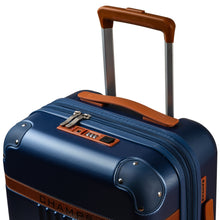
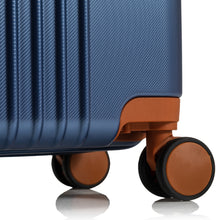
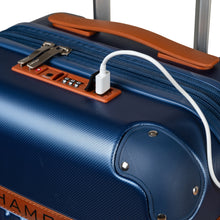
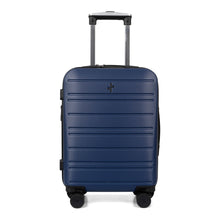
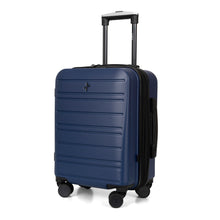
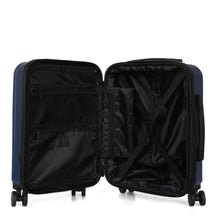
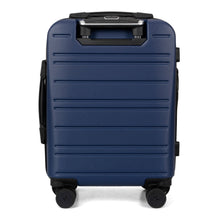
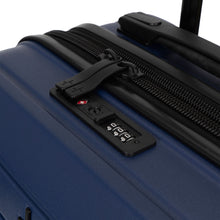
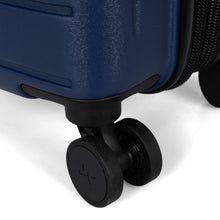
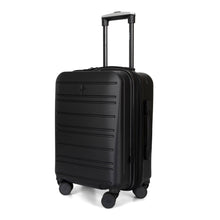
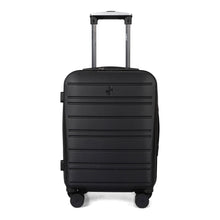
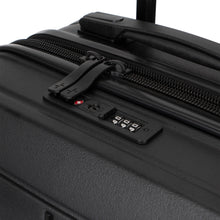
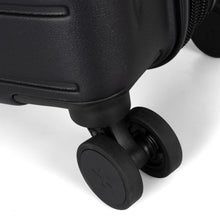
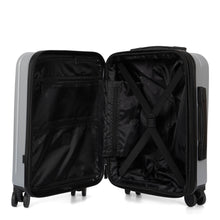
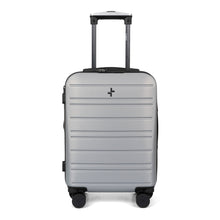
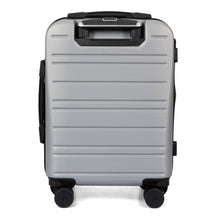
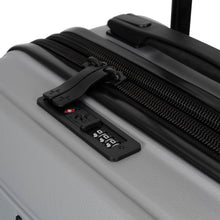
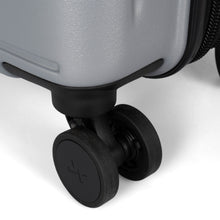
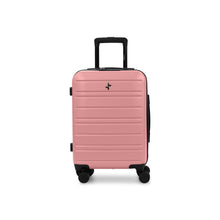
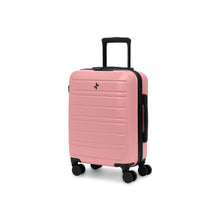
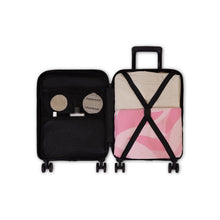
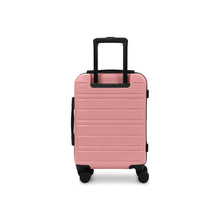
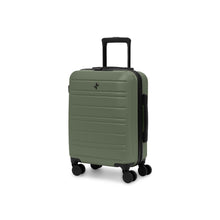
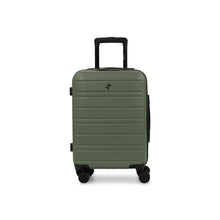
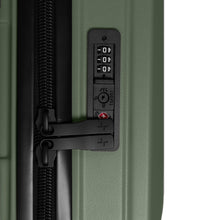
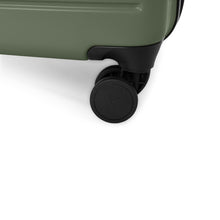
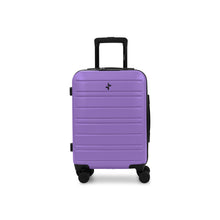
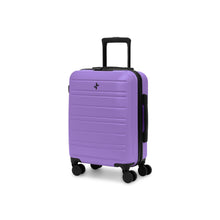
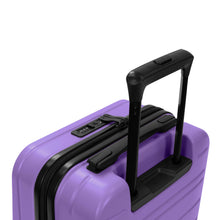
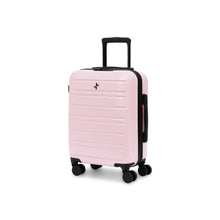
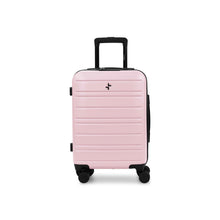
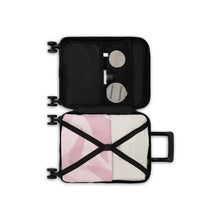
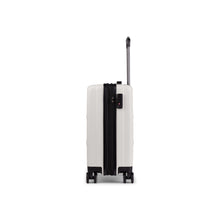
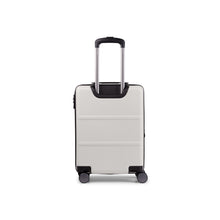
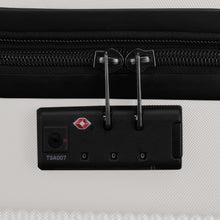
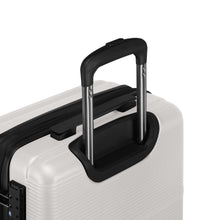
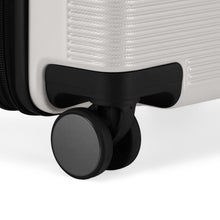
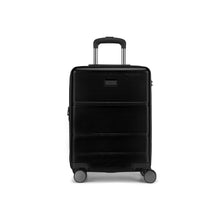
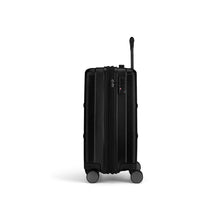
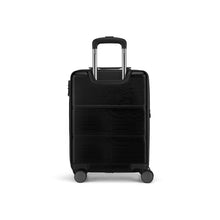
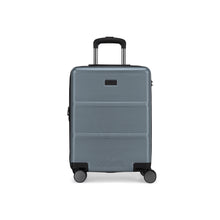
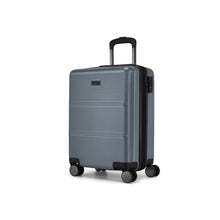
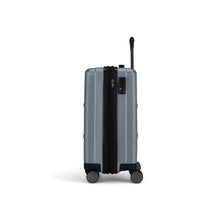
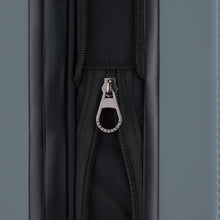
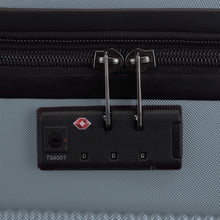
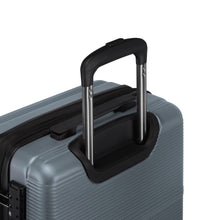
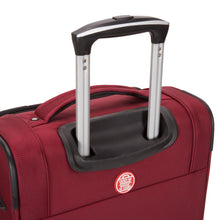
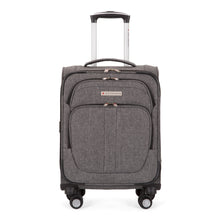
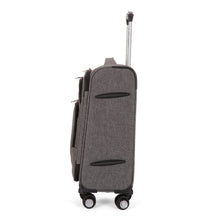
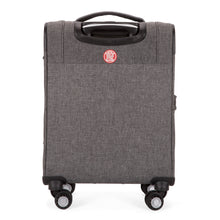
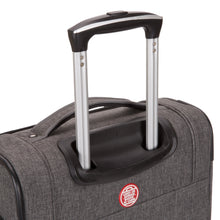
Bentley's Tracker Pro Carry-on is built to standard cabin dimensions and suits this trip length well. Before finalizing a packing list, it is worth checking the Bentley airline carry-on size chart, since Canadian carriers like Air Canada, WestJet, and Porter each set slightly different cabin limits.

2. Use the 3-5-7 wardrobe rule for mixed Canadian weather
The 3-5-7 system is one of the most reliable ways to compress a week of outfits into carry-on space: three bottoms, five tops, and seven layering pieces, built around two or three neutral colours so everything mixes and matches.
The three bottoms should cover different registers, a pair of jeans, a pair of hiking or travel pants, and one smarter option for dinners or meetings. The five tops, in breathable, quick-dry fabrics, generate enough combinations for a full week without repetition standing out. The seven layers are what make this system specifically suited to Canada, since a single bulky coat cannot flex between a mild fall afternoon and an evening near freezing the way seven thinner, stackable pieces can.
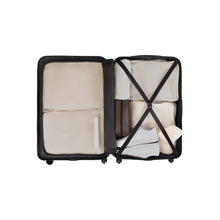
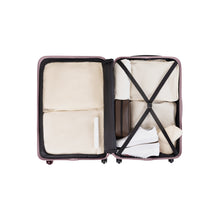
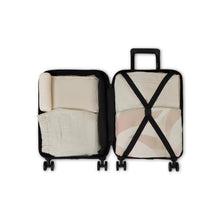
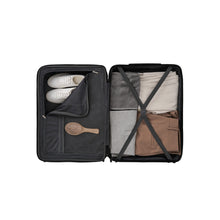
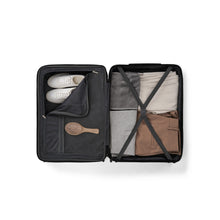
Packing clothing into cubes using a structured 3-5-7 wardrobe approach creates meaningfully more usable carry-on space than folding loose items directly into the bag. If the itinerary includes laundry access, this list can be compressed further, with roughly half the tops and bottoms being enough, freeing up room for souvenirs on the return leg.
3. Layer instead of packing one heavy coat
Canada's weather can swing 15-20 degrees within a single day depending on the region and season, which makes a layering system a more space-efficient choice than one bulky coat.
- Base layer: a thermal or moisture-wicking top and bottom, worn against the skin, that regulate temperature without adding bulk.
- Mid layer: a fleece or lightweight sweater that traps warmth and can be added or removed as temperatures shift through the day.
- Outer layer: a wind and water-resistant shell rather than an insulated coat, since a shell packs down significantly smaller while still handling Canada's rain and wind.
This three-piece system takes up less collective carry-on space than one bulky parka and adapts to a far wider range of conditions, from a cool Vancouver drizzle to a crisp Ottawa morning.

Build a Bag That Adapts to Any Canadian Forecast
A layering system only works with the right pieces underneath it, starting with the bag that holds them.
4. Roll, cube, and wear your bulkiest items
Once the wardrobe is chosen, how it goes into the bag matters as much as what is on the list.
- Roll, do not fold: rolling clothing reduces wrinkling and compresses better than folding, particularly for the soft layers in a 3-5-7 system.
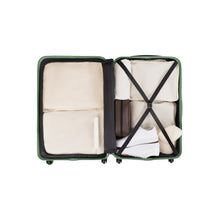
- Use packing cubes by category: separate cubes for tops, bottoms, and underwear or socks keep the bag organised and make security screening and hotel unpacking faster.
- Wear your bulkiest items on the plane: a winter jacket, boots, or heavy sweater worn during travel frees up meaningful carry-on space that would otherwise be lost to bulk.
- Limit footwear to two pairs: one comfortable walking or hiking shoe worn on travel day, and one slightly dressier pair packed inside, with socks stuffed into the gaps.
- Pack heavier items near the wheels: shoes and toiletries sit lower in the bag, keeping the suitcase balanced and easier to manoeuvre through terminals.
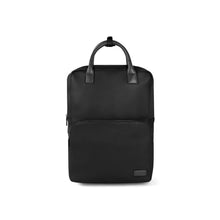
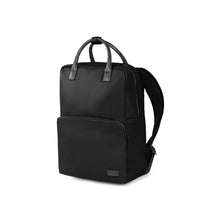
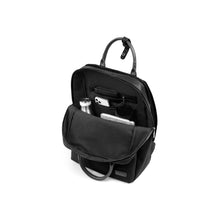
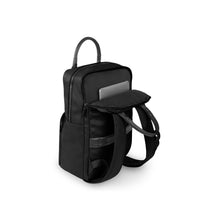
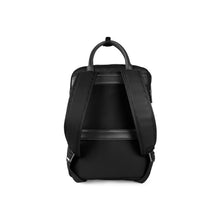
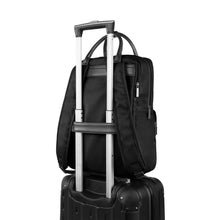
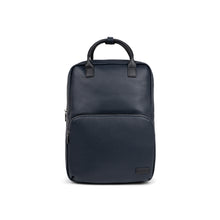
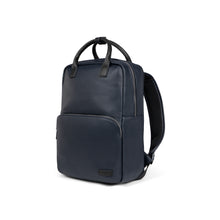
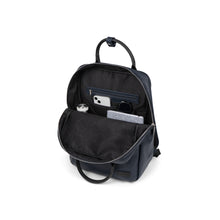
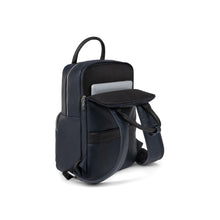
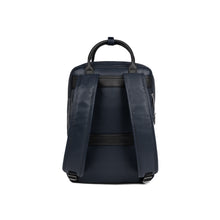
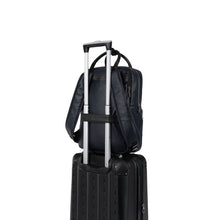
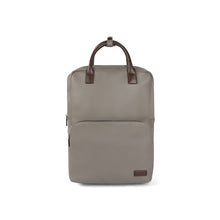
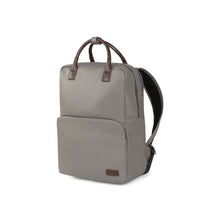
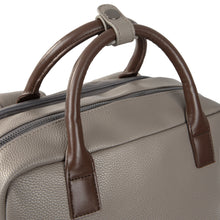
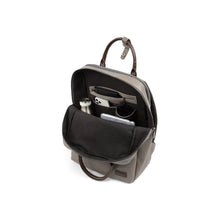
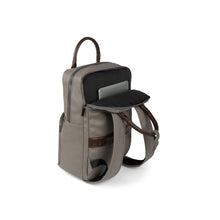
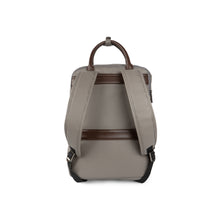
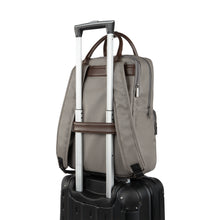
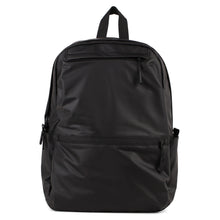
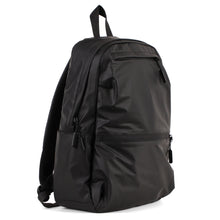
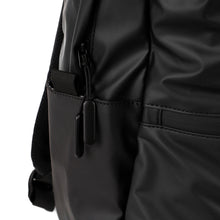
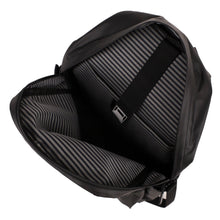
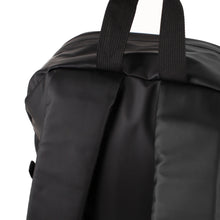
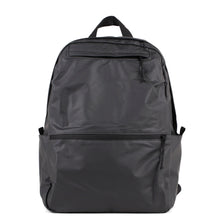
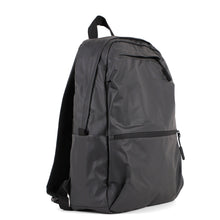
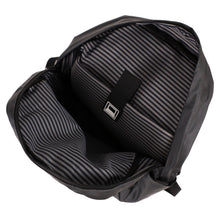
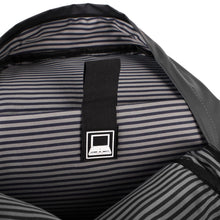
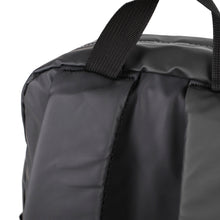
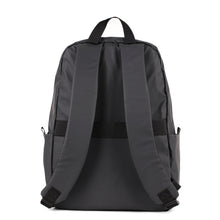
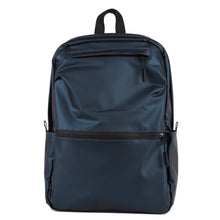
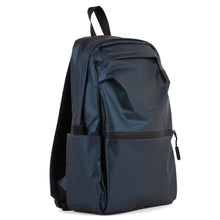
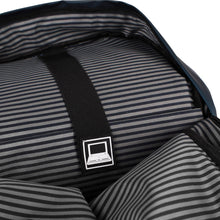
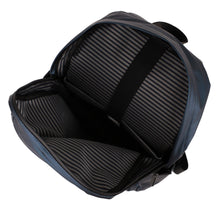
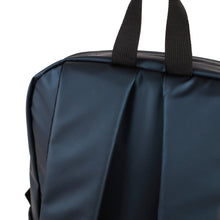
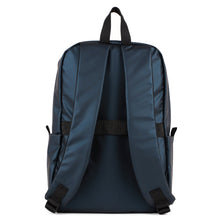
For hands-free mobility once landed, a Tracker Everyday Backpack works well as the personal item that carries electronics, documents, and daily essentials separately from the main carry-on.
5. Follow CATSA's liquid rules for toiletries
Canada's airport security rules, set by the Canadian Air Transport Security Authority, are similar to but not identical to other countries' liquid restrictions, and missing the details is one of the most common carry-on mistakes.
According to CATSA, liquids, aerosols, and gels must be packed in containers of 100 ml or less, and all containers must fit into a single transparent, resealable 1-litre bag. A less commonly known rule: granular materials like powders, bath salts, or certain cosmetics are allowed in containers up to 350 ml, a detail that surprises many travelers at the checkpoint. Prescription medication, baby food, and CPAP-related liquids are exempt from the 100 ml cap but must be declared to the screening officer.
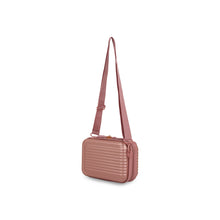
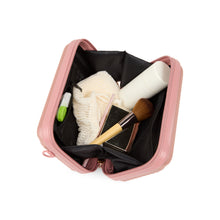
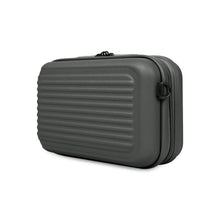
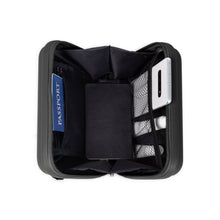
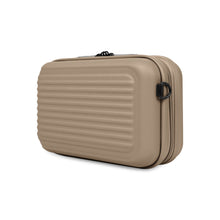
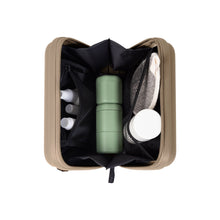
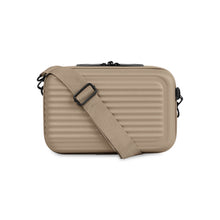
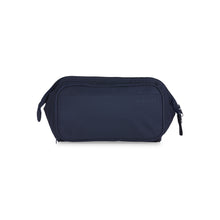
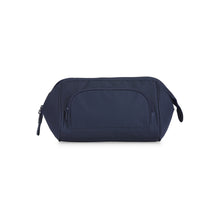
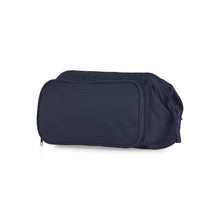
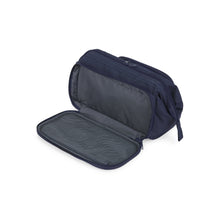
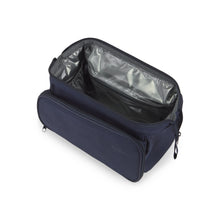
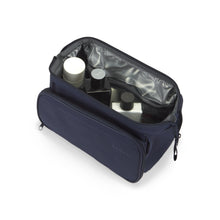
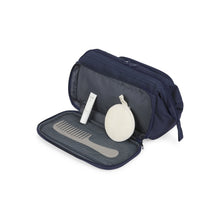
Consolidating toiletries into a dedicated bag before arriving at the airport speeds up screening considerably. The Bugatti Uptown Essentials Toiletry Bag keeps liquids together, protects the rest of the carry-on from leaks, and is compact enough to fit inside a packing cube system without eating into clothing space.

6. Keep your eTA and travel documents accessible
Most visa-exempt travelers flying into Canada need an Electronic Travel Authorization, and unlike the other tips on this list, this one has nothing to do with what goes in the bag and everything to do with how the documents are organised.
According to the Government of Canada, an eTA is electronically linked to a traveller's passport and required for visa-exempt foreign nationals flying to or transiting through a Canadian airport, though it is not required for entry by land or sea. It costs CAD $7, is generally approved within minutes, and should be applied for before booking flights rather than the week of departure. U.S. citizens and green card holders are exempt, as are Canadian citizens and permanent residents travelling on their own documents.
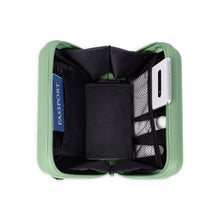
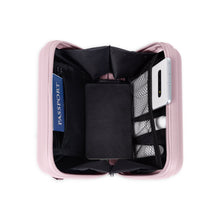
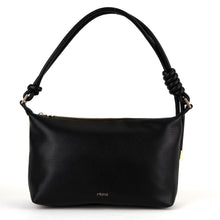
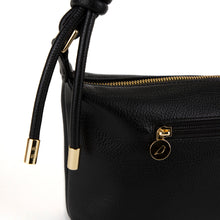
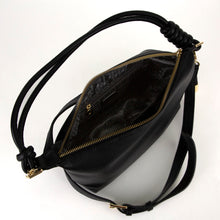
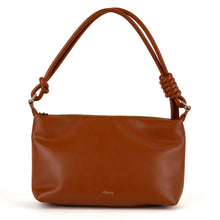
Keep the passport used for the eTA application, plus any confirmation emails, in an easily accessible front pocket rather than buried in the main compartment. A Riona SohoZip Around RFID Wallet or Riona Small Wallet RFID keeps passports, boarding passes, and payment cards together with RFID protection, which matters more on international trips where card skimming risk is higher.
7. Round it out with the right accessories
A few smaller items make a disproportionate difference on a week-long trip, particularly one involving long-haul flights into Canada or multiple regional connections.
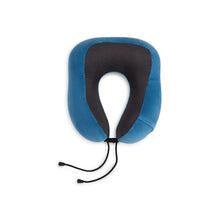
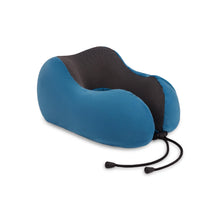
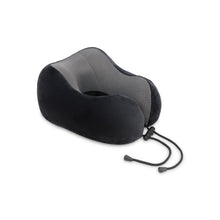
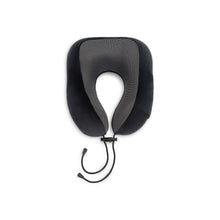
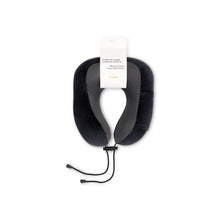
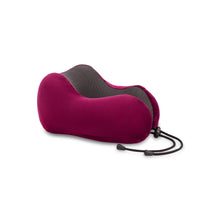
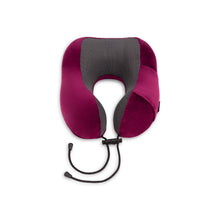
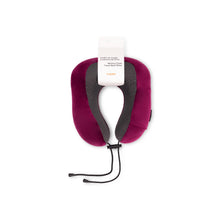
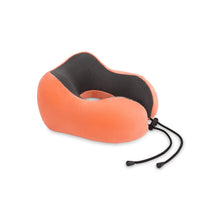
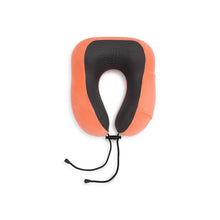
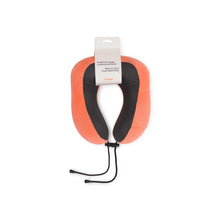
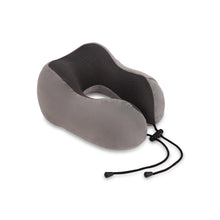
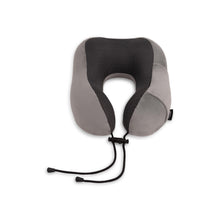
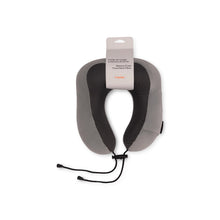
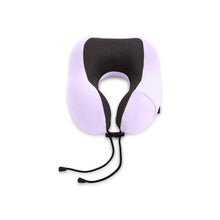
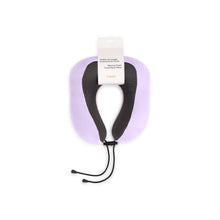
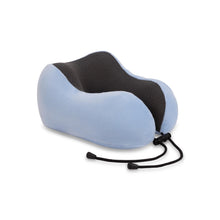
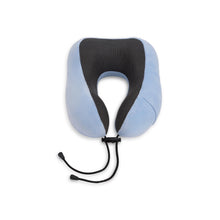
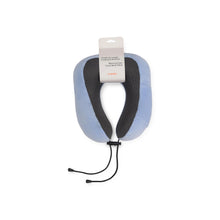
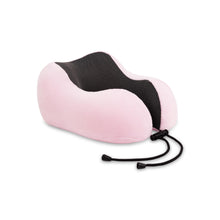
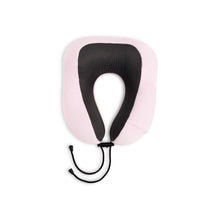
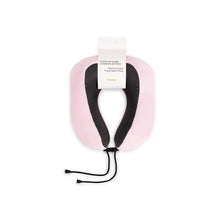
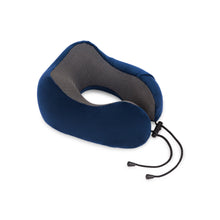
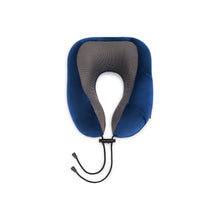
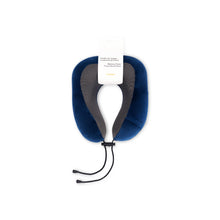
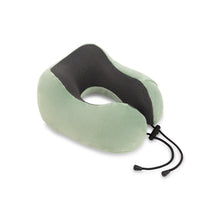
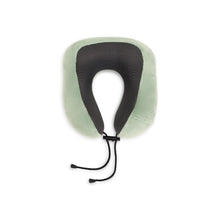
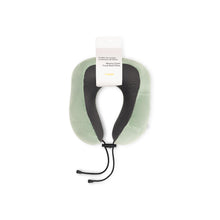
- Comfort for the flight: a Tracker Memory Foam Pillow and a compact Bentley Travel Blanket take up minimal space and make a meaningful difference on longer transatlantic or transcontinental routes into Canada.
- Bag identification: with so many similar carry-ons moving through Canadian airport carousels and gate check lines, a Tracker Luggage ID Tag makes a bag instantly recognisable and easier to recover if gate-checked.
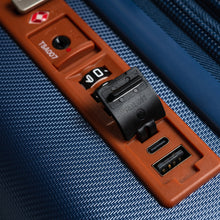
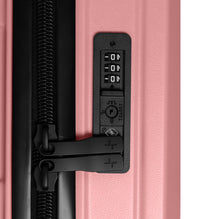
- Security: a Bugatti 2PC Lock set adds a layer of protection for checked items or hotel storage without interfering with CATSA screening.
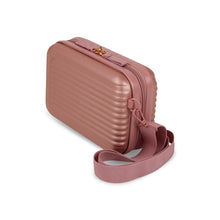
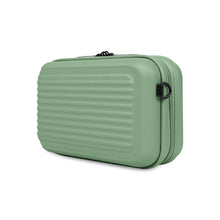
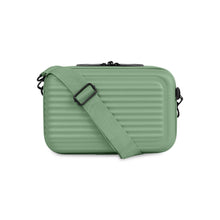
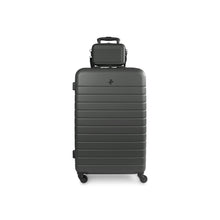
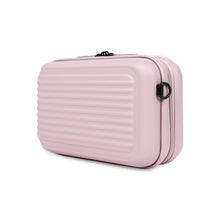
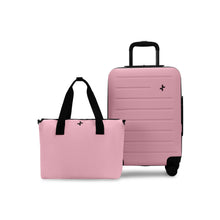
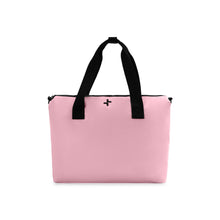
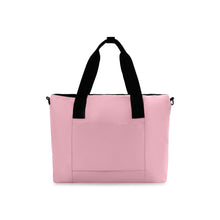
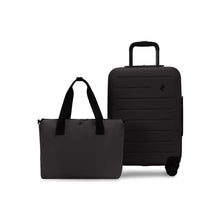
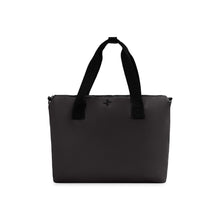
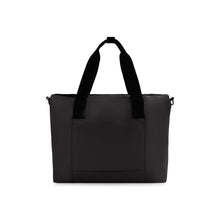
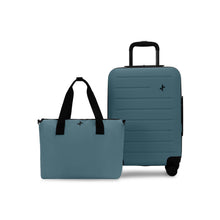
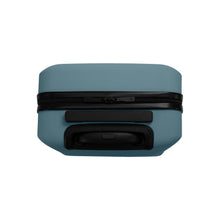
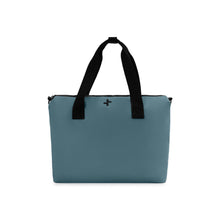
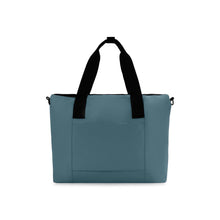
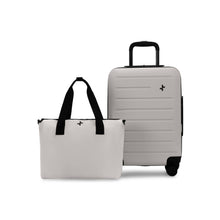
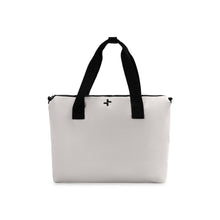
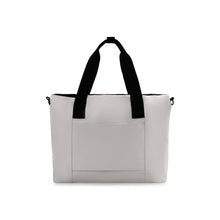
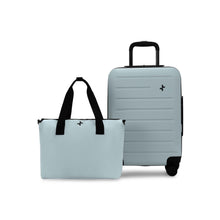
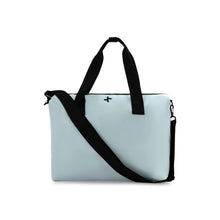
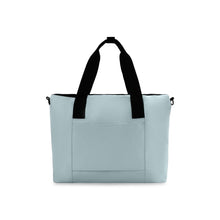
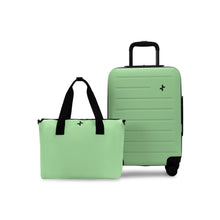
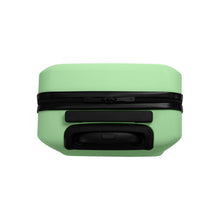
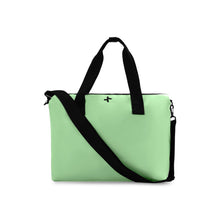
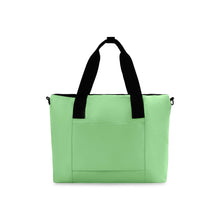
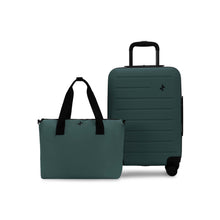
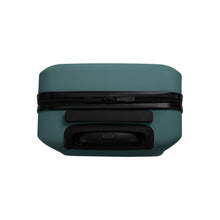
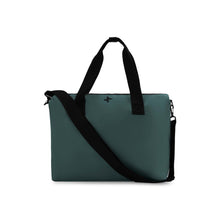
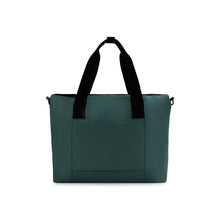
- A two-piece system: for travelers who want a touch more capacity without checking a bag, the Tracker Uptown Carry-On and Tote Bag Set pairs a compliant cabin bag with a tote that handles daily essentials, a combination that works particularly well for city-hopping Canadian itineraries.

Quick packing checklist for a week in Canada
- Three bottoms: jeans, travel pants, one smarter option
- Five tops: breathable, quick-dry, mix-and-match colours
- Seven layers: base, mid, and outer shell pieces
- Two pairs of shoes: one worn, one packed
- Toiletries under 100 ml in a clear resealable bag, plus granular items under 350 ml
- eTA confirmation and passport in an accessible front pocket
- Packing cubes sorted by clothing category
- Comfort accessories: travel pillow, blanket, and a lock for security
Quick checklist: Packing a Carry-on for 7 Days

For more general carry-on strategy beyond the Canada-specific details, the 4 Essential Tips for Carry-On Travellers and How to Easily Pack Your Carry-On in 6 Steps guides cover fundamentals that apply to any trip, while the Ultimate Bentley Travel Guide walks through broader pre-trip preparation.
FAQs
What is the best way to pack a carry-on for a week in Canada?
The best approach combines a 3-5-7 wardrobe, three bottoms, five tops, and seven layering pieces, with a base, mid, and outer layering system instead of one bulky coat. Rolling clothing into category-based packing cubes and wearing the heaviest item on the plane frees up the remaining space for toiletries, documents, and accessories.
How do I get a Canada eTA before my trip?
Applying for a Canada eTA is done entirely online through the official Government of Canada website, and requires a valid passport, a credit or debit card, and an email address. Most applications are approved within minutes for a CAD $7 fee, though travelers should apply well before booking flights in case additional review is needed. U.S. citizens and green card holders do not need one.
Does a 20-22 inch carry-on meet Canadian airline size limits?
Most Canadian carriers, including Air Canada, WestJet, and Porter, accept cabin bags around 22 x 14 x 9 inches (56 x 36 x 23 cm), though exact limits and weight allowances vary between airlines. Budget carriers often enforce stricter dimensions and charge separately for overhead bin access, so it is worth checking the specific airline's policy before packing to capacity. The Bentley airline carry-on size chart covers requirements across major Canadian and international carriers.
What liquids are allowed in a carry-on through Canadian airport security?
CATSA requires liquids, gels, and aerosols to be packed in containers of 100 ml or less, with all containers fitting into a single transparent, resealable 1-litre bag. Granular materials such as powders or bath salts are permitted in containers up to 350 ml, and prescription medication, baby food, and CPAP-related liquids are exempt from the 100 ml cap but must be declared to the screening officer.
Can I pack for both warm and cold weather in one Canadian carry-on?
Yes, provided the wardrobe is built around layers rather than separate outfits for each condition. A base, mid, and outer shell combination adapts to shifting temperatures within a single trip, and wearing the bulkiest piece, typically a winter coat, on the plane keeps it out of the packed space entirely while still being available if the weather turns cold.
Start Packing Smarter for Canada
Explore Bentley's full carry-on range, from cabin-sized luggage to the toiletry bags, wallets, and backpacks that round out a complete week-long Canada packing system.


