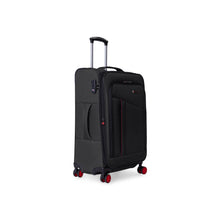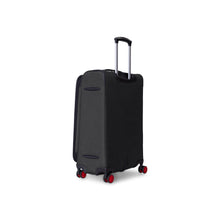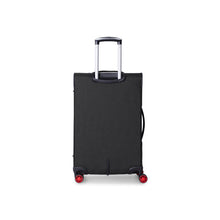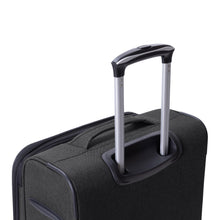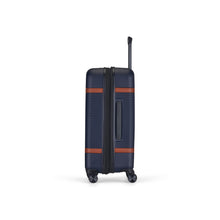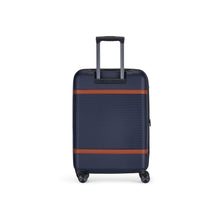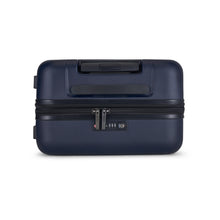
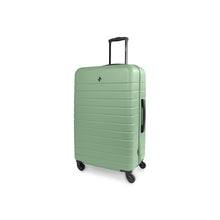
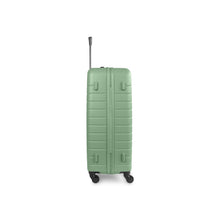
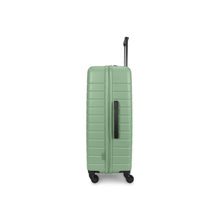



Checked Luggage vs Carry-On: The Complete Comparison Guide

Checked luggage and carry-on bags solve the same problem, getting belongings from one place to another, but they differ on nearly every practical measure that matters once a trip is actually being booked and packed. The choice affects far more than what fits overhead versus what goes in the cargo hold: it changes what a bag costs to buy, how much of an airline's weight allowance gets used before packing even starts, what security rules apply, and how much protection the contents get along the way. Canadian travelers flying Air Canada, WestJet, Porter, or Flair face slightly different rules for each of these depending on the fare booked, which makes a side-by-side comparison more useful than a single blanket recommendation. This guide compares checked luggage and carry-on across size, weight limits, price, durability, build quality, packing capacity, convenience, airline fees, security restrictions, best use case, style options, expandability, and warranty coverage, attribute by attribute.
-
Size and weight:
Carry-on tops out around 22 x 14 x 9 inches and 10 kg; checked bags run larger with a 23 kg allowance before overweight fees apply. -
Price:
Carry-on and checked luggage often cost the same within a single product line; the material and brand tier matter more than the size category. -
Durability and quality:
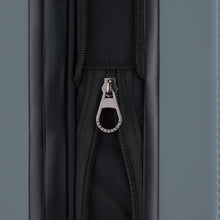
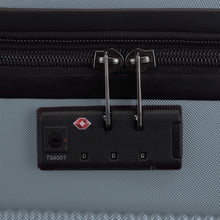
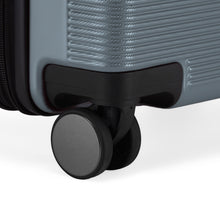
Wheels, zippers, and shell material vary more by price tier than by whether a bag is carry-on or checked sized. -
Packing capacity:
Checked bags hold roughly double to triple a carry-on's usable volume, at the cost of losing cabin access mid-flight. -
Convenience:
Carry-on skips baggage claim entirely; checked bags free up hands and space for longer trips. -
Airline fees:
Carry-on is usually included free; checked bags cost $40 to $90 or more depending on the airline and fare. -
Restrictions:
Carry-on liquids fall under CATSA's 100 ml rule; checked bags carry no liquid limit but do have prohibited-item rules. -
Best use case:
Carry-on suits short trips and fast connections; checked luggage suits longer trips, family travel, and bulky gear. -
Style and expandability:
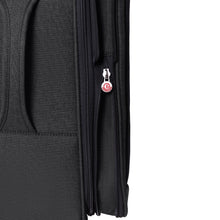
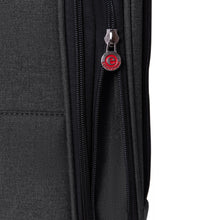
Both categories come in similar color and material ranges, with expansion zippers common on checked-sized pieces. -
Warranty:
Coverage typically follows the brand and collection, not the bag's size category, and rarely covers airline-caused damage.
Compare Both Before Committing to Either
Knowing exact dimensions and weight before booking avoids the fees that come from guessing wrong at the gate.
See the Airline Carry-On Size Chart
The Full Comparison
| Attribute | Checked luggage | Carry-on |
| Size | Roughly 24"–32" (medium to large) | Roughly 18"–22", capped near 22 x 14 x 9 in by most airlines |
| Weight limit | Standard 23 kg (50 lb) allowance before overweight fees | Typically 7–10 kg cabin weight limit, varies by airline |
| Price | $80–$250+ depending on brand and material | $60–$200+, often priced close to same-line checked pieces |
| Durability | Reinforced corners and hardware handle rougher baggage-handling impact | Lighter build; handled more gently, but lifted and carried far more often |
| Quality (wheels, zippers, material, hardware) | Larger spinner wheel sets, heavier-duty zippers on higher tiers | Same material tiers scaled down; smaller wheel base |
| Packing capacity (liters) | Roughly 70–150+ L for medium/large | Roughly 35–45 L for standard cabin size |
| Convenience/ease of use | Frees hands and cabin space; requires a baggage claim wait | Skips baggage claim entirely; must be lifted into overhead bins |
| Airline fees/cost | $40–$135+ one way depending on airline and fare | Usually free on standard fares; some Basic/ultra-low-cost fares charge |
| Restrictions (CATSA/liquids) | No liquid volume limit; prohibited-item rules still apply | 100 ml liquid limit, one 1-litre resealable bag (CATSA) |
| Best use case | Longer trips, family travel, bulky or seasonal gear | Short trips, tight connections, avoiding baggage claim |
| Style/color options | Wide range across brands; matching sets common | Same range as checked, often the entry point into a full set |
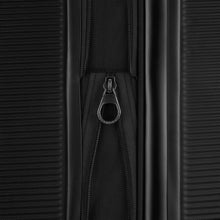
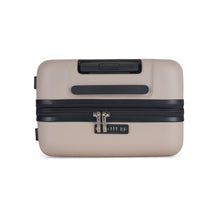
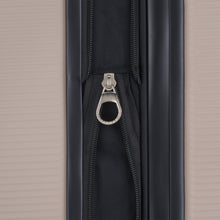
| Expandability | Common via zipper-release systems, often adding 15–20% capacity | Less common; cabin size limits leave little room to expand |
| Warranty coverage | Follows brand/collection, from limited to lifetime; excludes airline damage | Same warranty terms as checked pieces in the same collection |
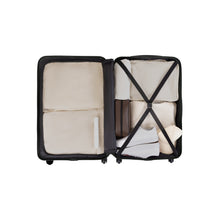
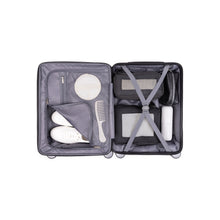
| Storage space | Larger main compartment plus dividers, shoe pockets, compression straps | Smaller main compartment; fewer dedicated organizational pockets |
1. Size and Weight Limits: What Actually Fits
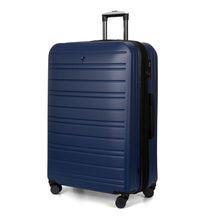
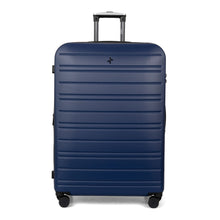
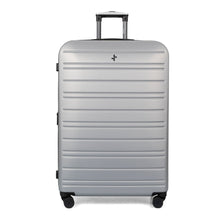
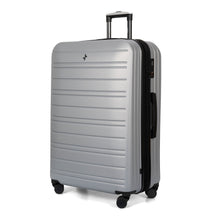
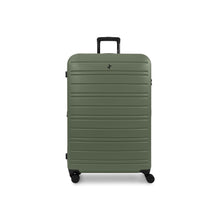
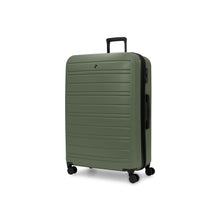
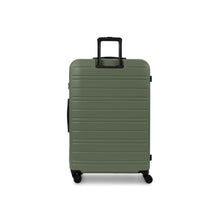
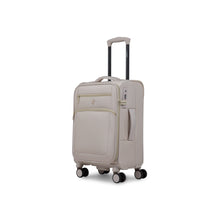
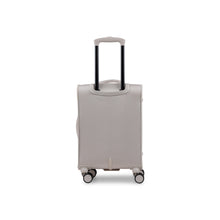
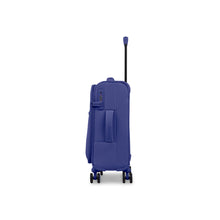
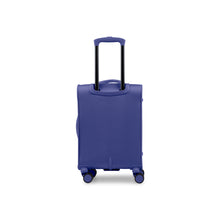
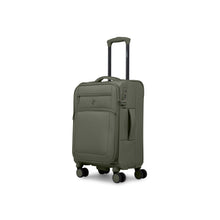
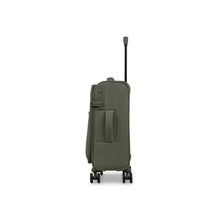
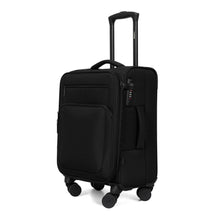
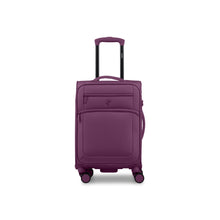
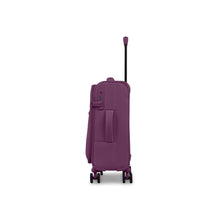
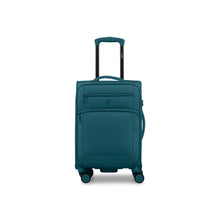
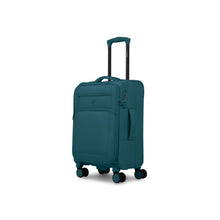
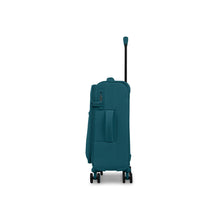
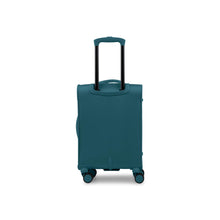
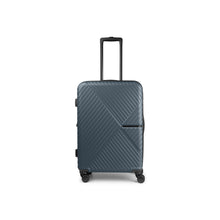
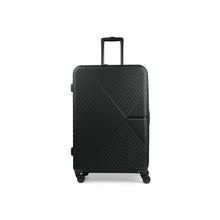
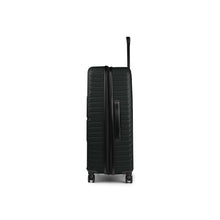
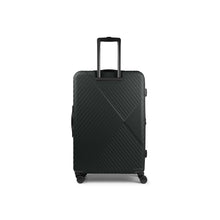
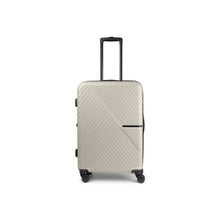
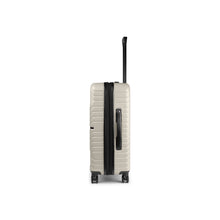
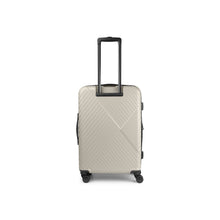
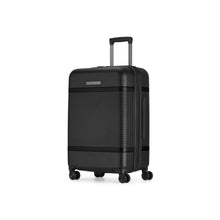
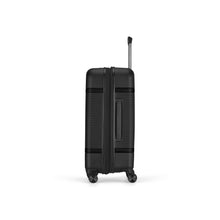
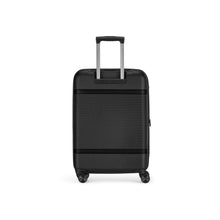
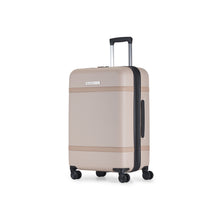
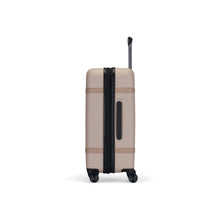
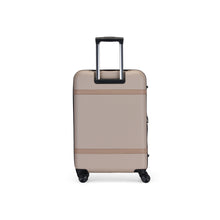
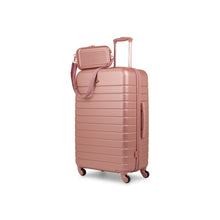
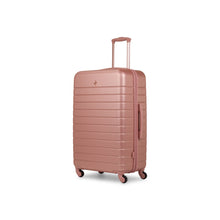
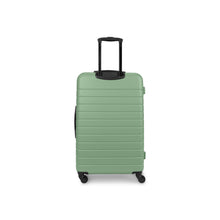
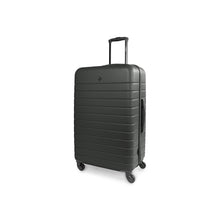
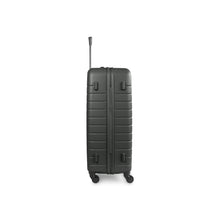
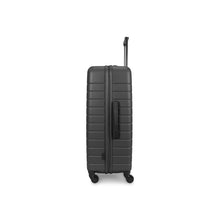
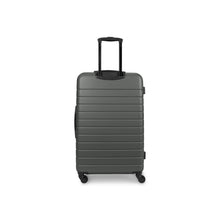
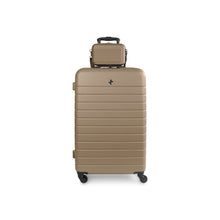
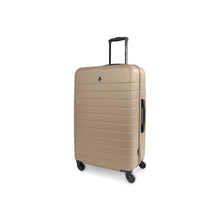
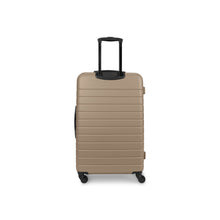
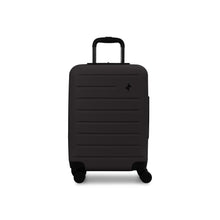
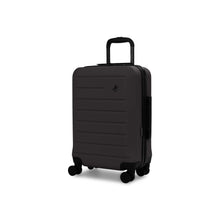
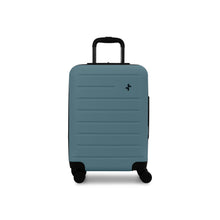
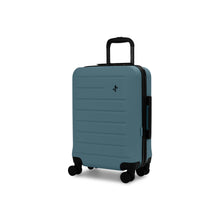
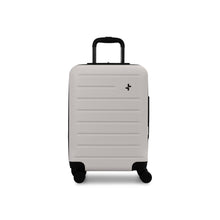
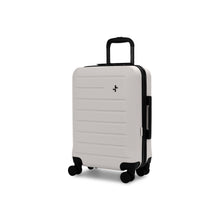
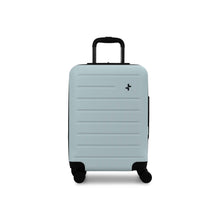
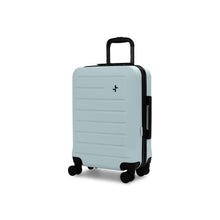
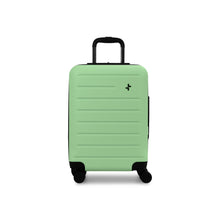
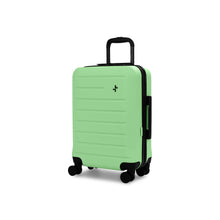
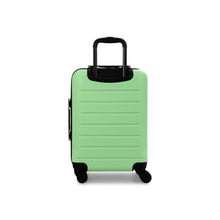
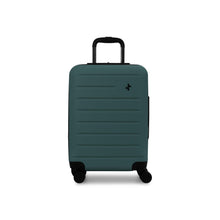
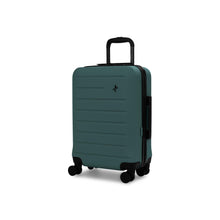
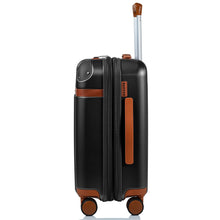
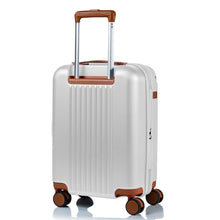
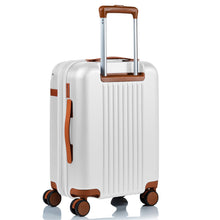
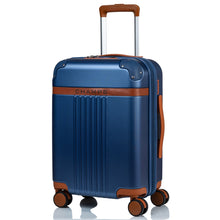
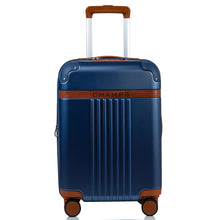
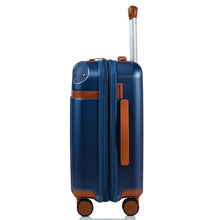
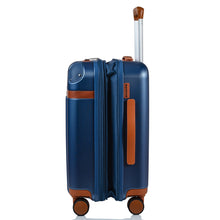
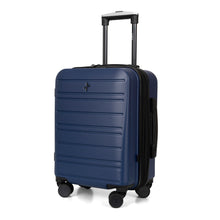
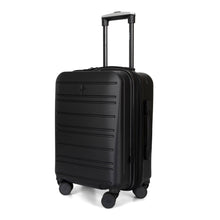
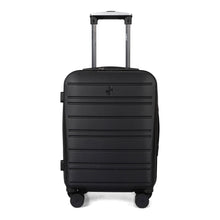
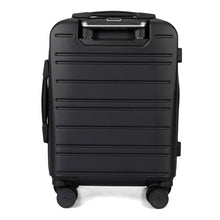
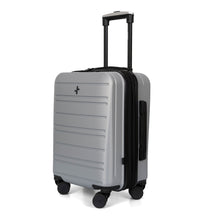
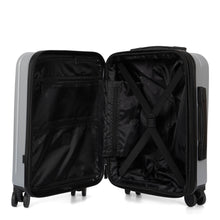
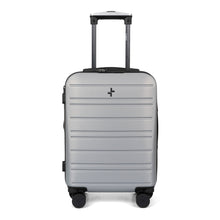
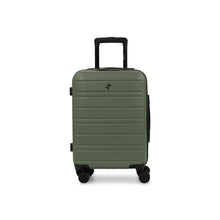
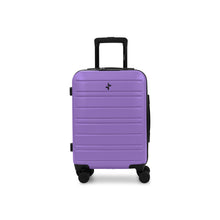
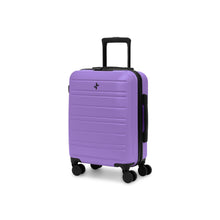
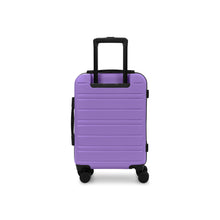
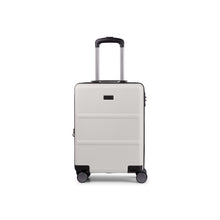
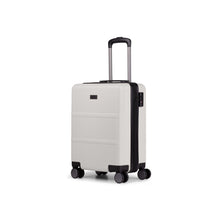
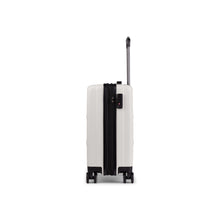
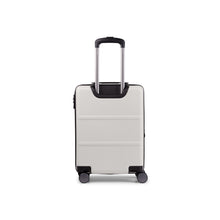
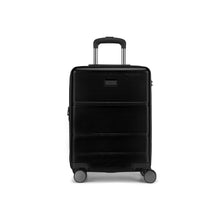
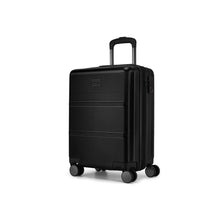
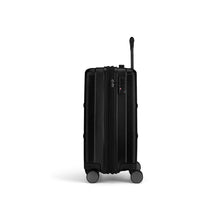
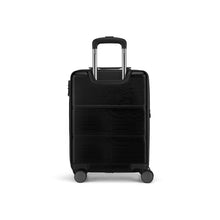
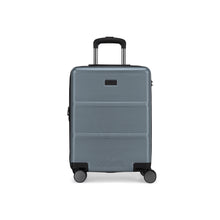
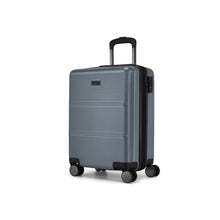
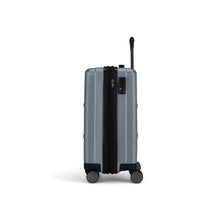
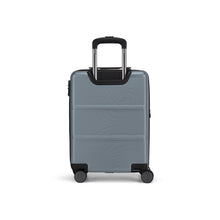
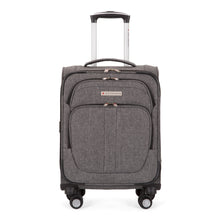
Most Canadian carriers cap carry-on at around 22 x 14 x 9 inches, with a 7–10 kg weight limit, while the standard checked bag allowance sits at 23 kg (50 lb) before overweight fees apply. A real-world example makes the gap concrete: a typical carry-on runs about 21 x 14 x 9 inches and weighs roughly 3 kg empty, a medium check-in bag runs closer to 26 x 18 x 10 inches at around 4 kg empty, and a large check-in piece stretches to about 30 x 20 x 12 inches at close to 4.6 kg empty, per published dimensions on comparable three-piece luggage sets.
Confirming exact limits against a specific airline before packing to capacity avoids both the gate penalty for an oversized carry-on and the overweight surcharge for a checked bag that crept past 23 kg. The airline carry-on size chart covers the differences across Air Canada, WestJet, Porter, and Flair in one place.
2. Price: What You'll Actually Pay to Buy One
Shell material drives price more than whether a bag is sized for carry-on or checking. Hardshell luggage in ABS is the most affordable entry point, polycarbonate composite sits in the middle, and polypropylene commands the highest price for the highest durability. Softshell luggage follows a similar pattern, with polyester as the budget-friendly standard and nylon as the pricier, more durable option.
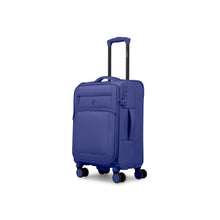
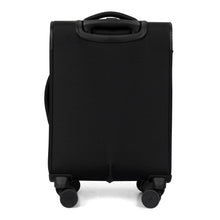
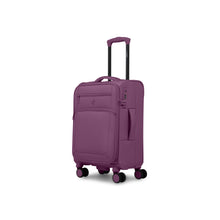
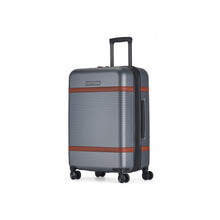
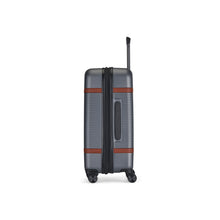
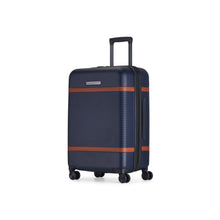
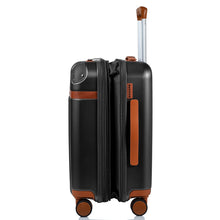
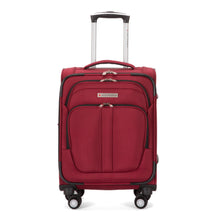
Size category alone does not dictate cost. At Bentley, the hardside Tracker Legend carry-on and the softside Tracker Verona carry-on both essentially the same price despite the different shell.
3. Durability and Quality: Wheels, Zippers, Material, Hardware
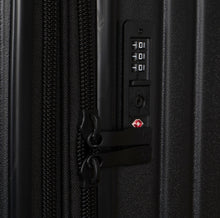
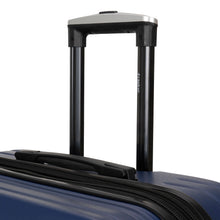
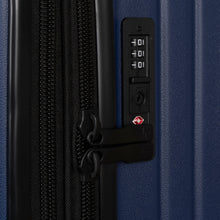
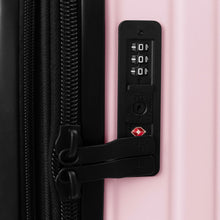
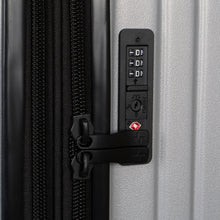
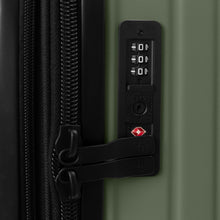
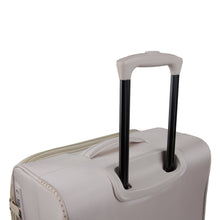
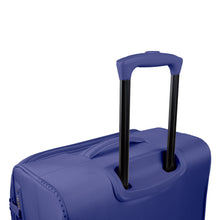
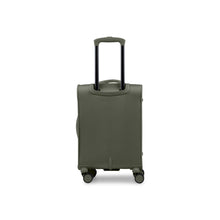
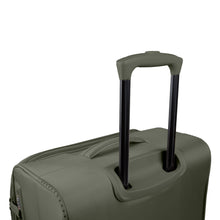
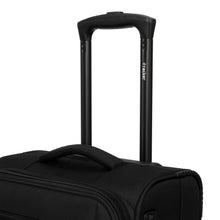
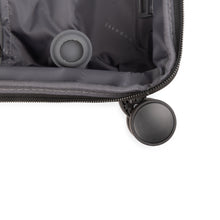
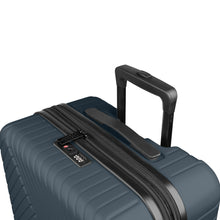
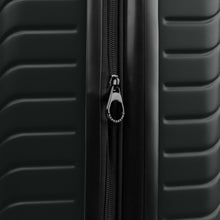
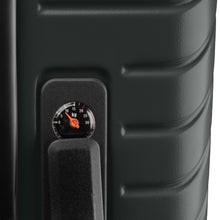
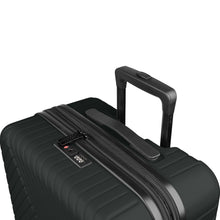
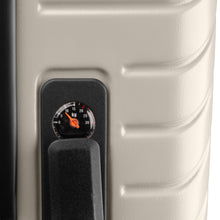
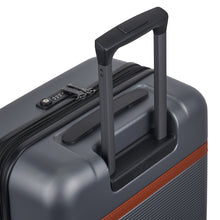
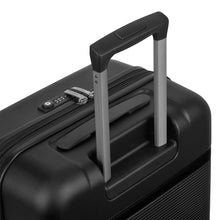
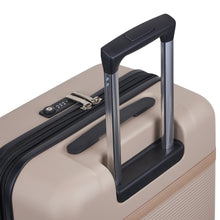
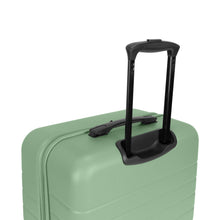
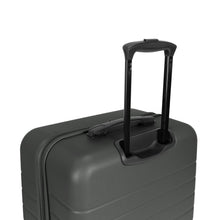
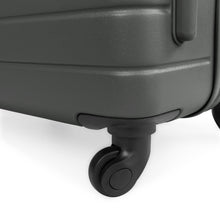
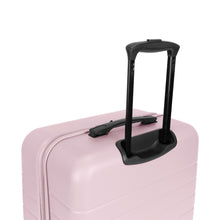
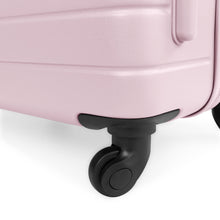
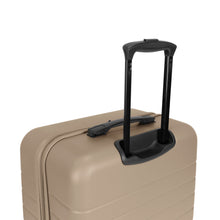
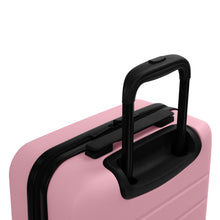
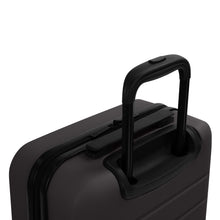
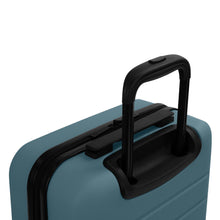
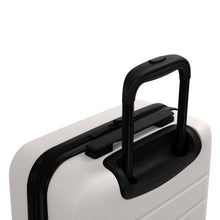
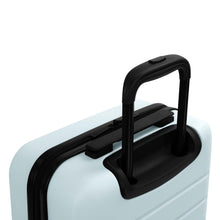
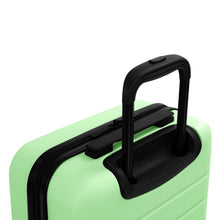
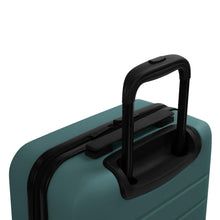
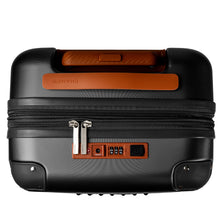
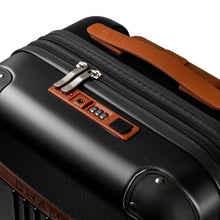
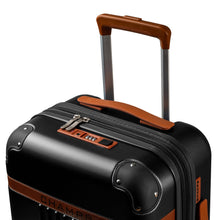
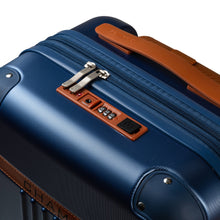
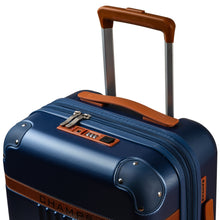
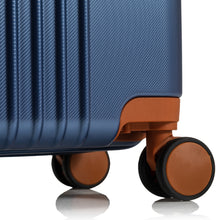
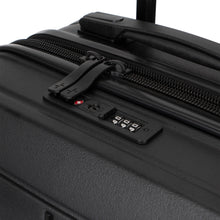
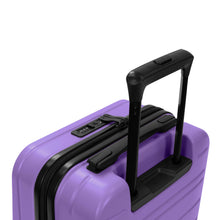
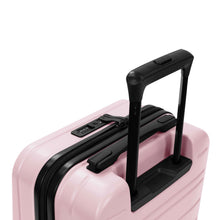
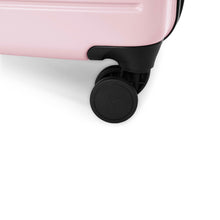
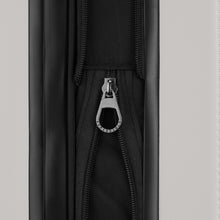
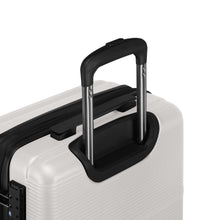
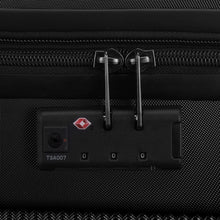
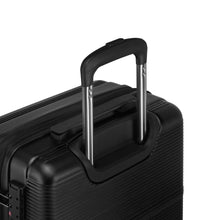
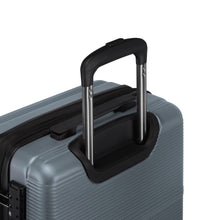
Build quality tends to track the price tier rather than the size category. The Tracker Legend collection was recently upgraded from an iron to an aluminum trolley system for smoother, more durable handling, across both its carry-on and checked pieces. At the premium end, Bugatti's Munich collection uses a hard shell made of 100% recycled PET, eight swivel wheels, a multi-stage telescopic handle, and a built-in AirTag holder for tracking, features that appear on that collection's carry-on and checked sizes alike.
Bentley's hardside versus softside comparison guide breaks down how ABS, polycarbonate, polypropylene, polyester, and nylon rank on impact resistance and heat and water resistance, for anyone deciding which material suits a specific travel pattern.
4. Packing Capacity and Storage Space
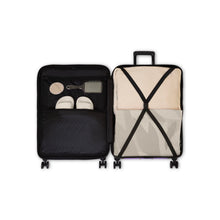
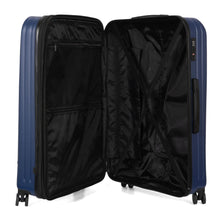
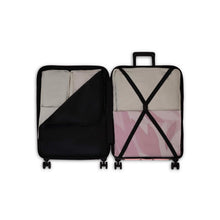
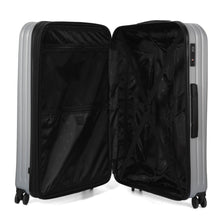
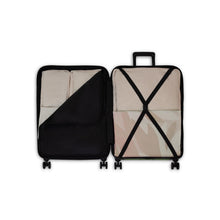
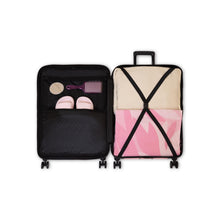
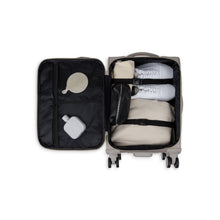
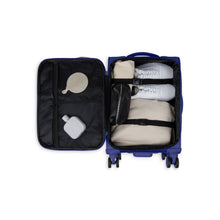
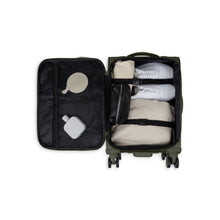
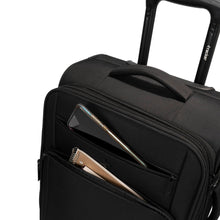
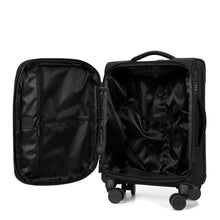
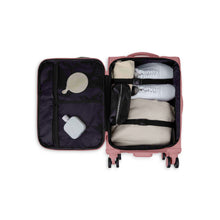
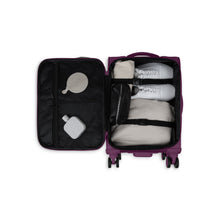
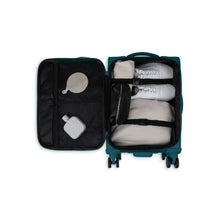
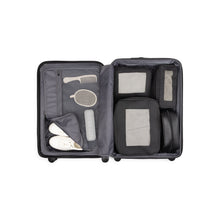
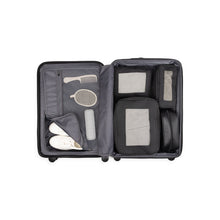
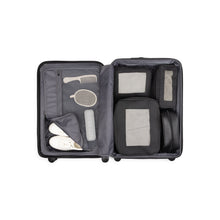
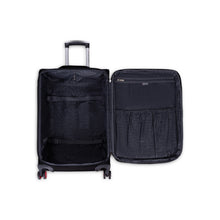
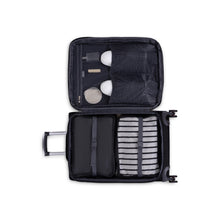
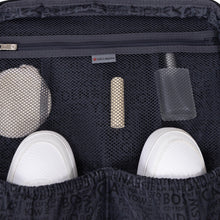
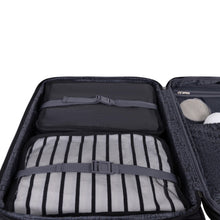
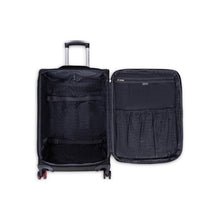
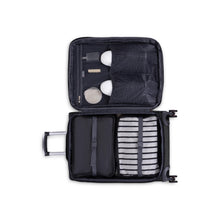
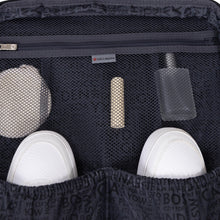
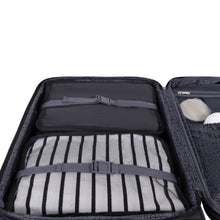
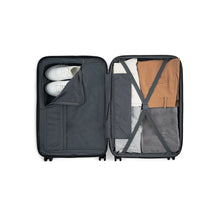
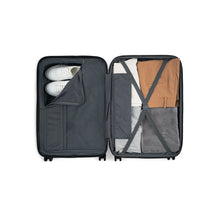
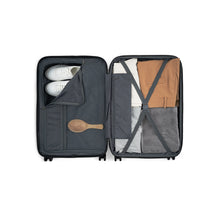
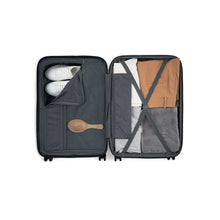
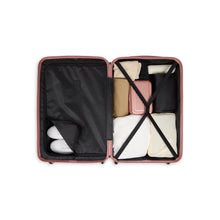
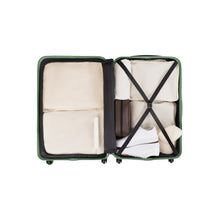
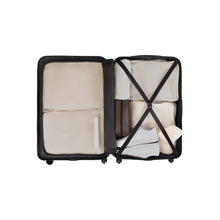
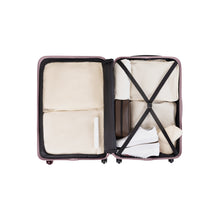
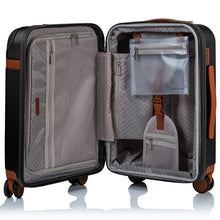
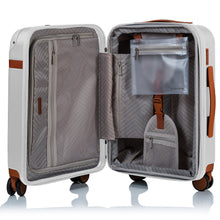
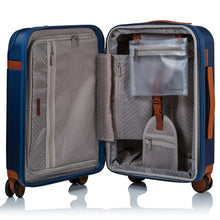
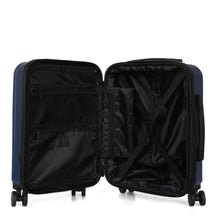
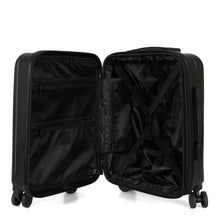
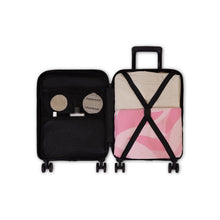
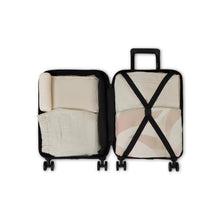
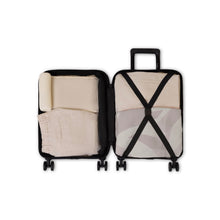
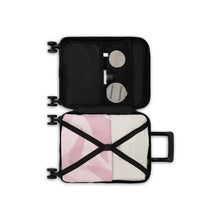
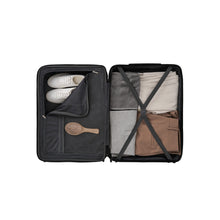
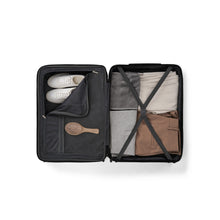
Checked luggage holds substantially more than carry-on, generally in the range of 70 to 150-plus litres for medium and large pieces against roughly 35 to 45 litres for a standard cabin bag. That extra volume typically comes with more internal organization too: dedicated shoe pockets, zippered dividers, and tightening straps appear more often on checked-sized pieces than on carry-on, where every internal pocket competes with limited overall space.
For travelers who need the extra room only occasionally, a check-in medium or check-in large suitcase covers the capacity gap without committing to it as the default choice for every trip.

5. Convenience and Ease of Use
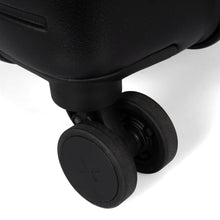
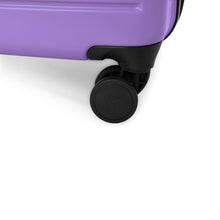
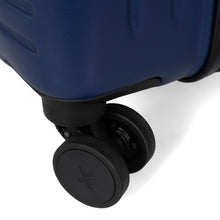
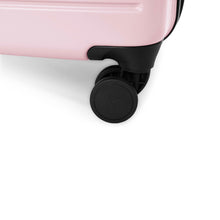
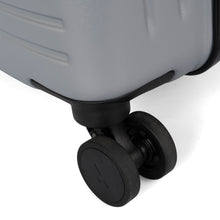
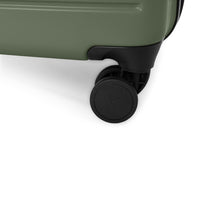
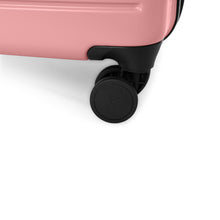
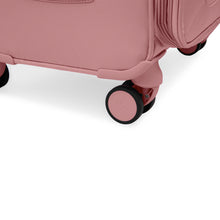
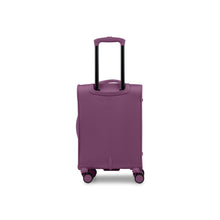
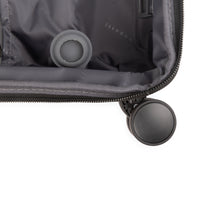
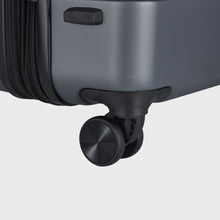
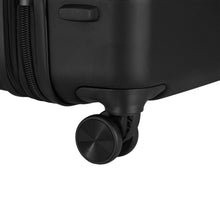
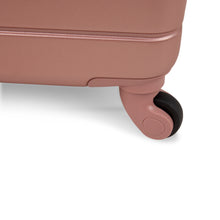
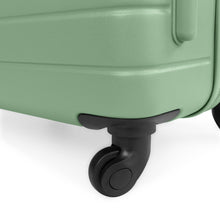
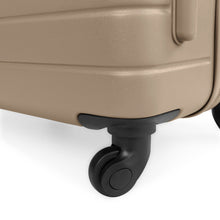
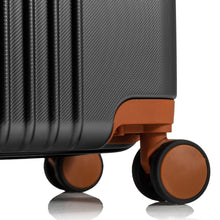
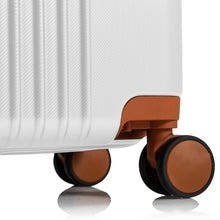
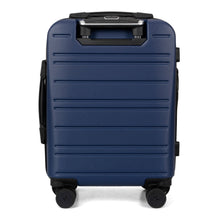
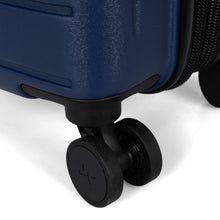
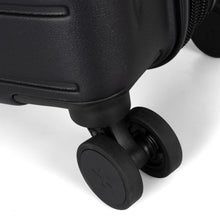
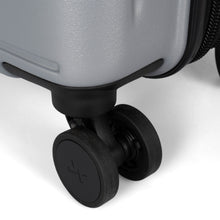
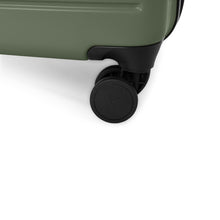
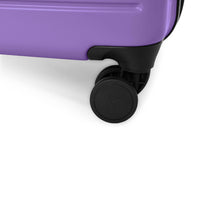
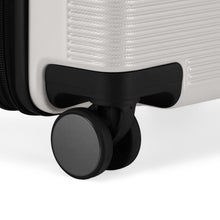
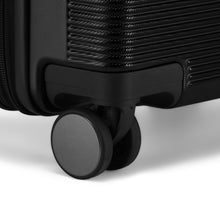
Carry-on skips baggage claim entirely, keeps essentials within reach during the flight, and removes the risk of a bag arriving on a different flight. Checked luggage frees up hands and cabin space, which matters more on longer trips, with children, or when connections are tight enough that gate-checking a carry-on would create its own delay. Double spinner wheel sets, increasingly standard on both carry-on and checked pieces, narrow this gap by making a checked bag nearly as easy to maneuver through a terminal as a carry-on.

6. Airline Fees: The Cost That Changes Most
This is the attribute with the widest swing between the two options. Carry-on is included free on most standard fares across Air Canada, WestJet, and Porter, while a first checked bag runs $40 to $135 one way depending on the airline, the fare tier, and whether it is paid online or at the airport. Basic and UltraBasic fares complicate the comparison further by restricting or charging for the carry-on itself, and Flair charges for both, sometimes pricing them close enough that checking comes out cheaper.
A Tracker Digital Luggage Scale helps confirm a bag stays under whichever limit applies before leaving for the airport.
7. Restrictions: CATSA and Liquids Rules
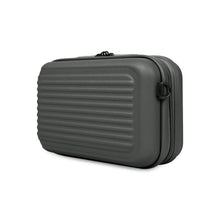
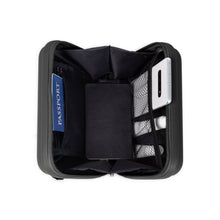
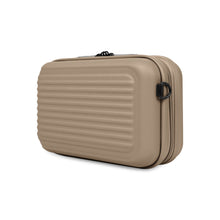
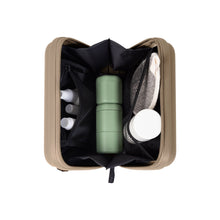
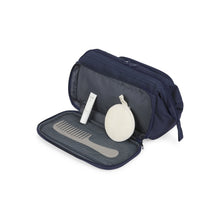
Carry-on bags in Canada fall under CATSA's liquid restrictions: containers of 100 ml or less, all fitting into a single transparent, resealable 1-litre bag. Checked luggage carries no liquid volume limit, which is part of why full-size toiletries often make more sense in a checked bag than a carry-on. Both bag types are still subject to prohibited-item rules for things like sharp objects, certain batteries, and flammable materials, regardless of which one they travel in. A dedicated toiletry bag keeps carry-on liquids CATSA-compliant and speeds up the security line.
8. Best Use Case: Matching the Bag to the Trip
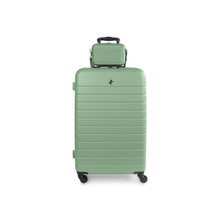
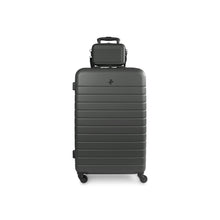
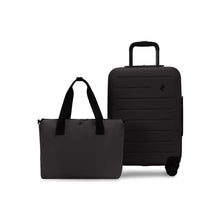
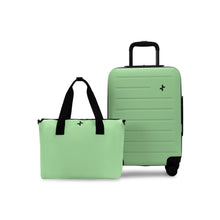
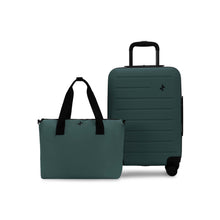
Carry-on suits short trips, business travel, and itineraries with tight connections where a missed bag would be a real problem. Checked luggage suits longer trips, family travel where multiple carry-ons become harder to manage than a shared checked bag, and anything bulky or seasonal, from ski gear to a formal outfit that should not be crushed into a cabin bag. A luggage set covers both ends of that range in one purchase for travelers who need each option depending on the trip.
9. Style, Color Options, and Expandability
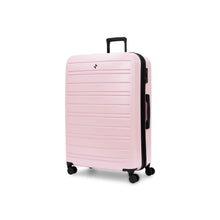
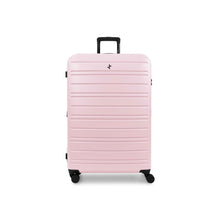
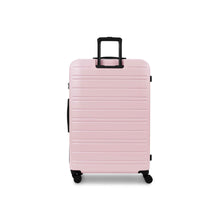
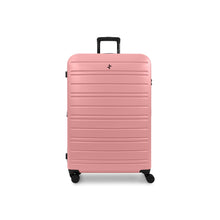
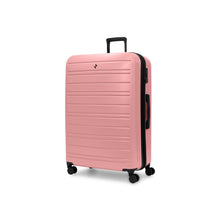
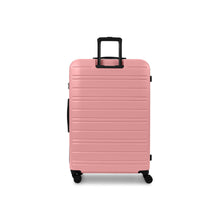
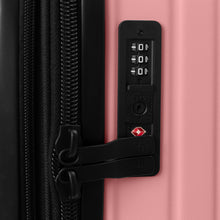
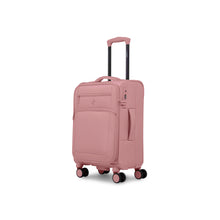
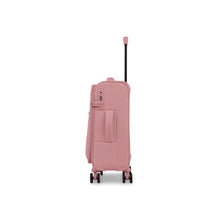
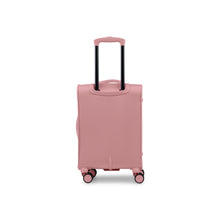
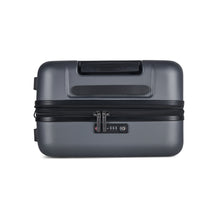
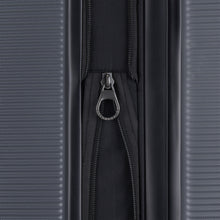
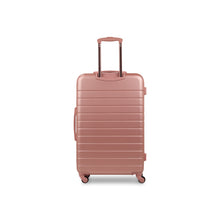
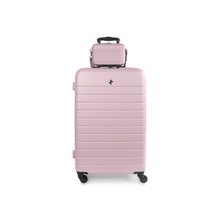
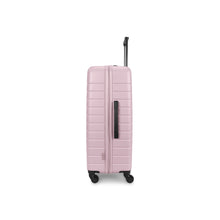
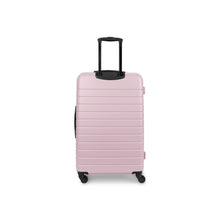
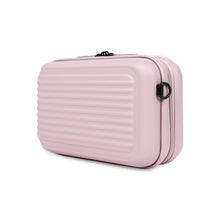
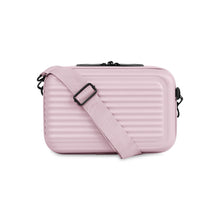
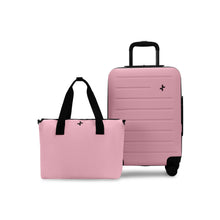
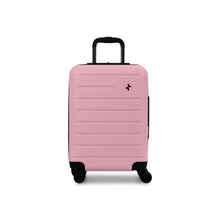
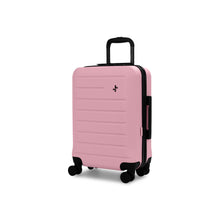
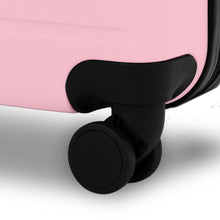
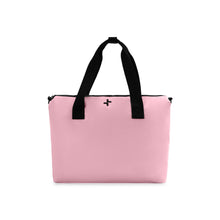
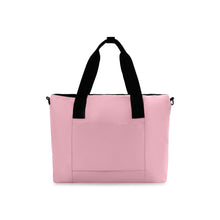
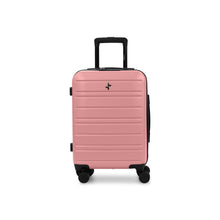
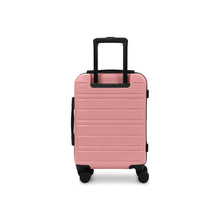
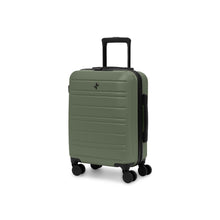
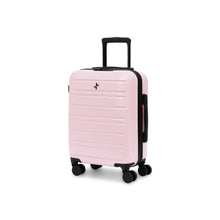
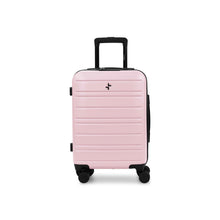
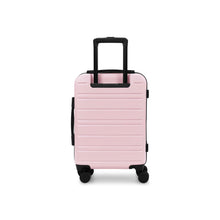
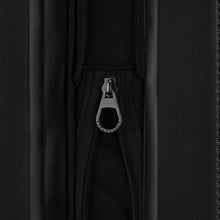
Both categories draw from similar style ranges. The Tracker Nuage collection comes in a cloud-inspired blush pink and black, the Verona line carries a monogram-logo update, and the Legend collection spans a rotating set of limited-edition colours alongside its regular lineup. Expandability appears more often on checked-sized pieces: the Verona collection includes signature expandability, and premium lines like Bugatti's Siena use a zipper-release system that adds roughly 20% additional packing capacity on demand, useful for a trip home with more in the suitcase than it left with.
10. Warranty Coverage
Warranty terms follow the brand and collection rather than whether a bag is carry-on or checked sized. The Tracker Legend collection carries a 10-year warranty, while several Bugatti collections carry a limited lifetime warranty against manufacturing defects. Across brands, standard exclusions apply: manufacturer warranties typically exclude accidental damage, normal wear and tear, and damage caused by an airline, which should be reported to a carrier representative before leaving the airport rather than claimed later. Bentley backs purchases with a 30-day return window, separate from the manufacturer's warranty term.

FAQs
What's the difference between checked luggage and carry-on?
Carry-on travels in the cabin and is capped around 22 x 14 x 9 inches and 7-10 kg; checked luggage rides in the cargo hold and can weigh up to 23 kg without a fee. Carry-on is usually free, checked bags aren't, and liquid restrictions only apply to carry-on.
Is carry-on or checked luggage more durable?
Neither size is inherently tougher, shell material and hardware quality matter more. Checked bags need reinforced corners and heavy-duty zippers for cargo hold handling; carry-ons face more frequent manual lifting instead.
How many liters is a standard carry-on versus a checked bag?
A carry-on holds roughly 35-45 litres, a medium checked bag runs 70-100 litres, and a large checked bag can exceed 150 litres. Exact capacity varies by model, so check the specific product listing.
Does carry-on luggage have a warranty?
Yes, usually the same warranty as checked pieces in the same collection, from a couple of years on defects up to a limited lifetime warranty on premium lines. Accidental and airline-caused damage typically aren't covered.
What liquids can I bring in a carry-on in Canada?
According to CATSA, liquids, gels, and aerosols must be in containers of 100 ml or less, fitting into one clear, resealable 1-litre bag. Checked bags have no liquid limit, making them better for full-size toiletries.
Which is better for a family trip, checked or carry-on?
Checked luggage is usually easier for families, one or two bags beats coordinating multiple carry-ons through security with kids. The tradeoff is cost, since checking a bag per family member adds up fast.
Start Comparing Bags for the Right Trip
Whether the trip calls for a carry-on-only strategy or checked luggage built to last, Bentley's full luggage range covers both, alongside the hardside versus softside guide and the airline carry-on size chart for the decision itself.